Counting of Figures - Basic Level
Practice and master this topic with our carefully crafted questions.
Learn the basics of counting figures with easy and concept-building questions. Practice counting lines, triangles, squares, rectangles and other common shapes.
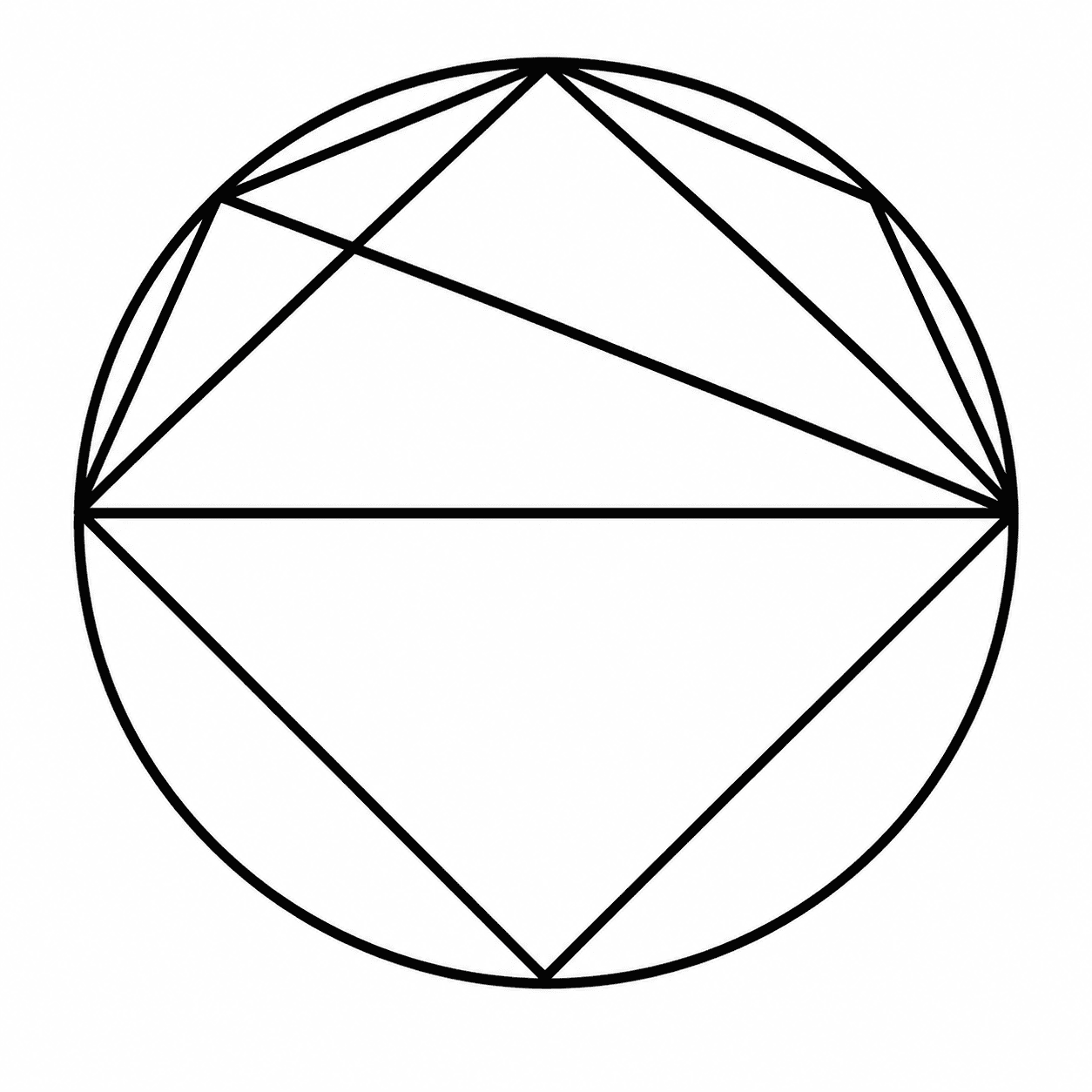
Find the number of triangles in the given figure.
🔍 Analyze the Pattern
Count the triangles systematically, starting with the smaller triangles and then moving to the larger triangles.
On carefully observing the labelled figure:
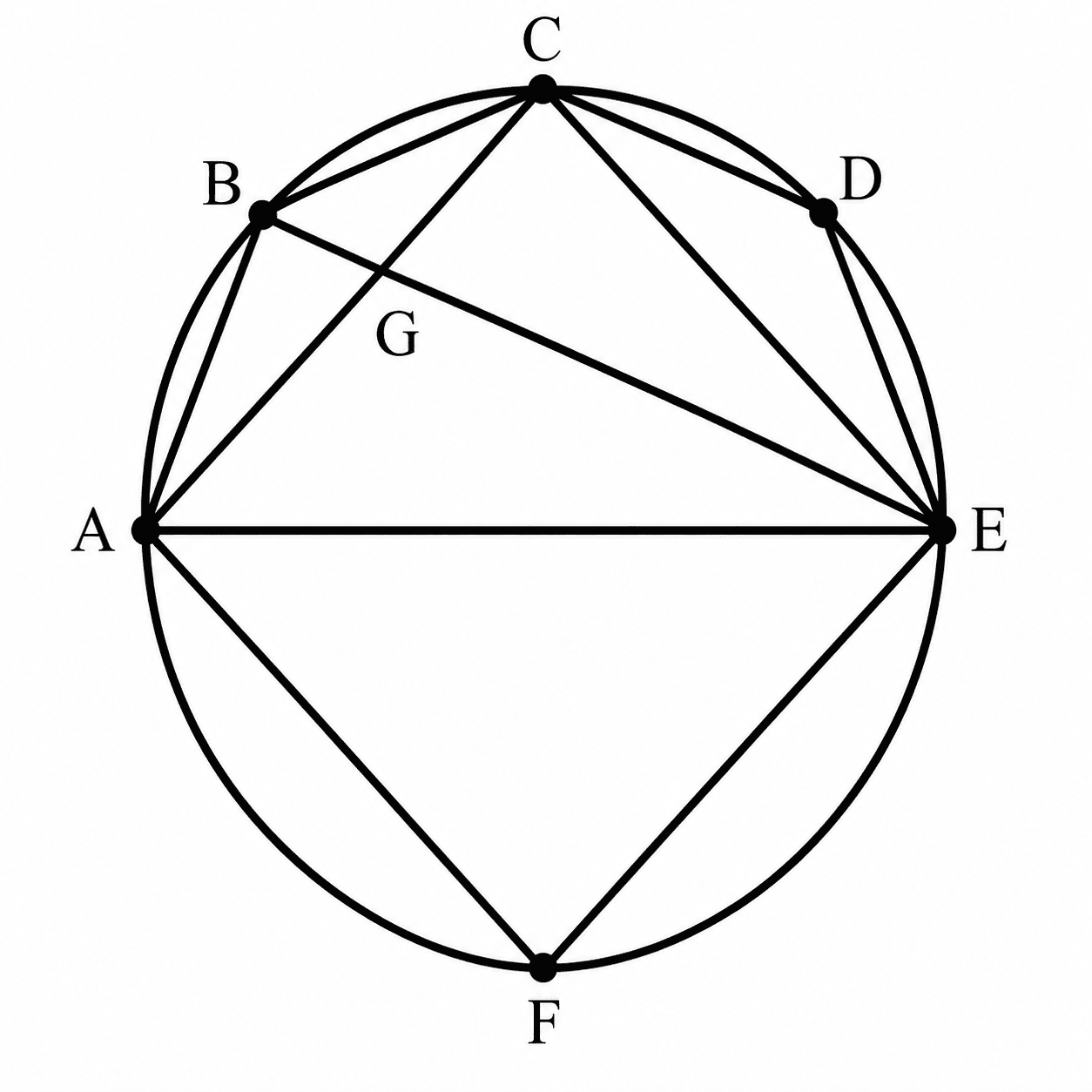
The triangles formed in the figure are:
ABG, BCG, CGE, CDE, AGE, AEF, ABE, ABC, BCE and ACE
Therefore, the total number of triangles is:
Total triangles = 10
So, the above figure has 10 triangles
Correct Answer: Option (B)
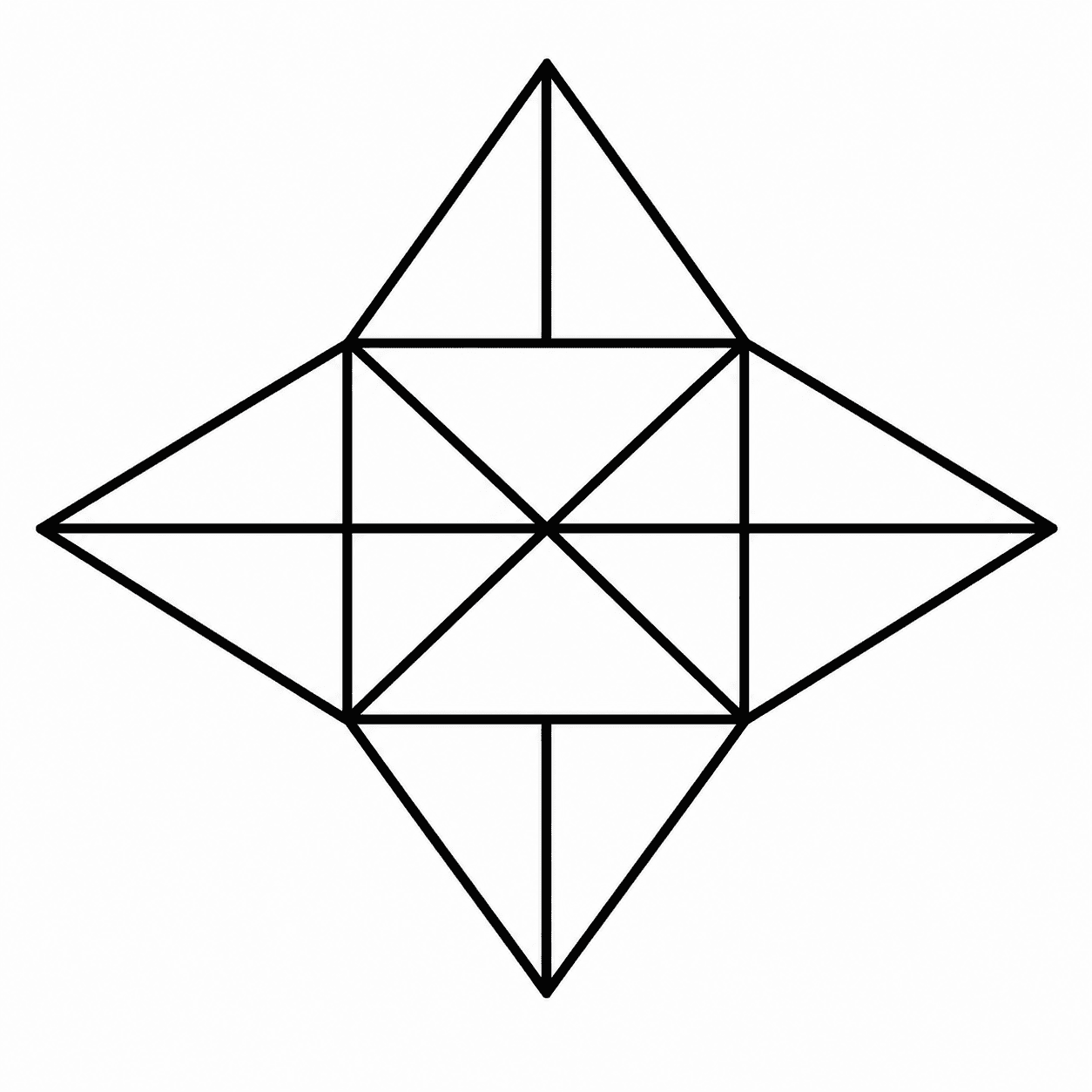
Find the number of triangles in the given figure.
🔍 Analyze the Pattern
Count the triangles systematically, starting with the smaller triangles and then moving to the larger triangles.
On carefully observing the labelled figure:
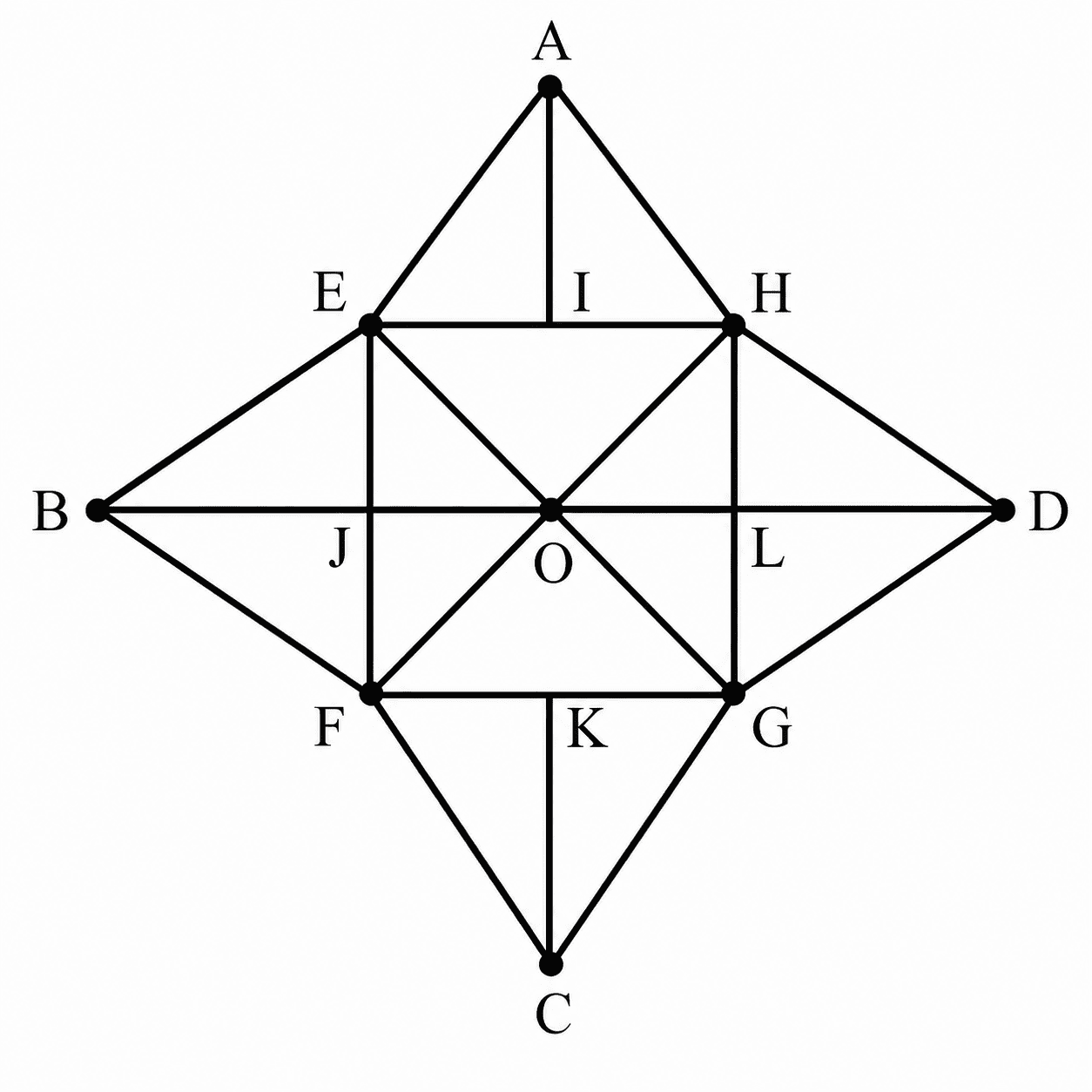
The triangles formed in the figure are:
AEI, AIH, BEJ, BJF, CFK, CKG, DGL, DLH, EOJ, FOJ, FOG, LOG, HOL, HOE, EAH, FEE, BEO, EOF, BFO, FCG, GDH, HOD, HOG, GOD,EFH, EHG, FGH and EFG
Therefore, the total number of triangles is:
Total triangles = 28
So, the above figure has 28 triangles
Correct Answer: Option (C)
Find the number of triangles in the given figure.
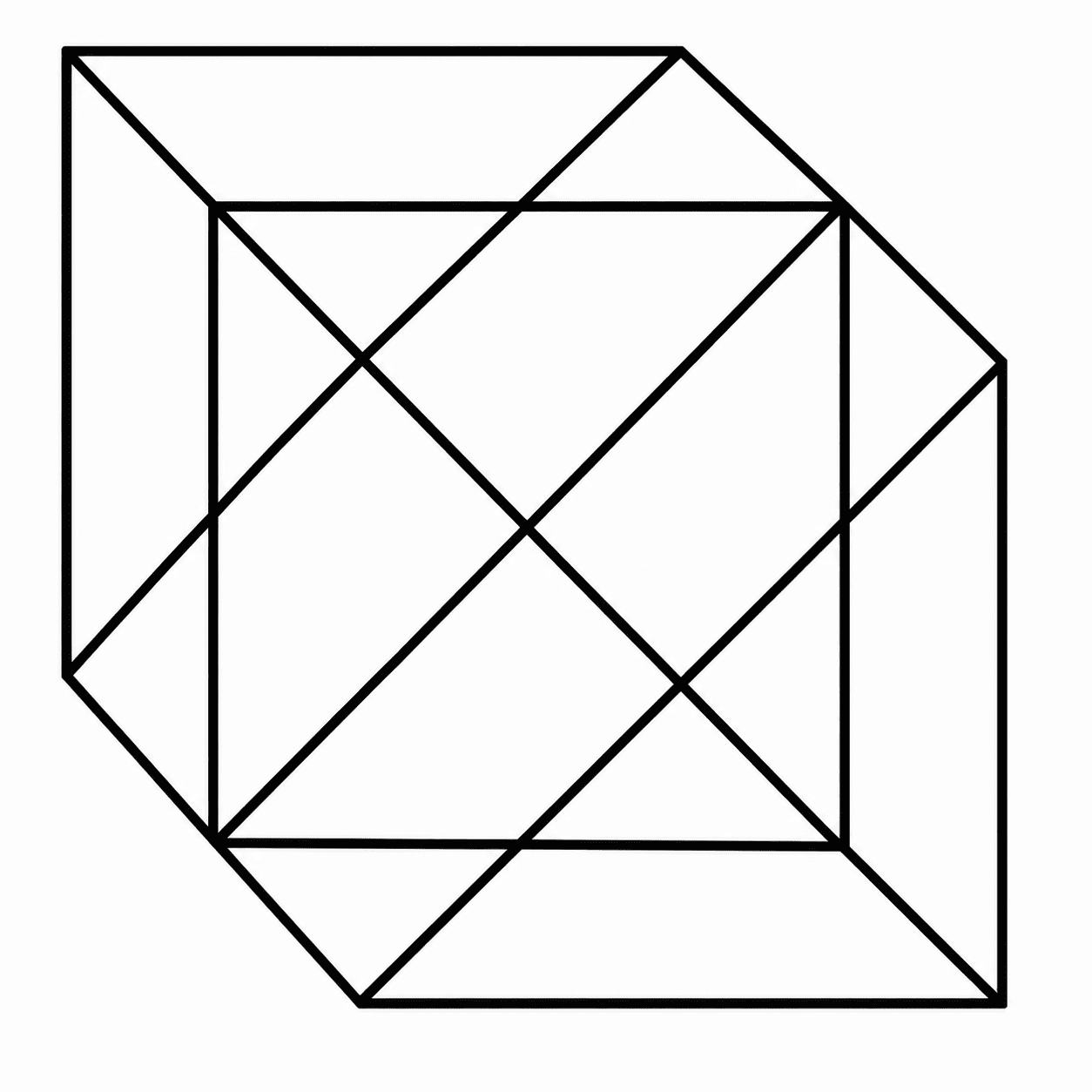
🔍 Analyze the Pattern
Count the triangles systematically, starting with the smaller triangles and then moving to the larger triangles.
On carefully observing the labelled figure:
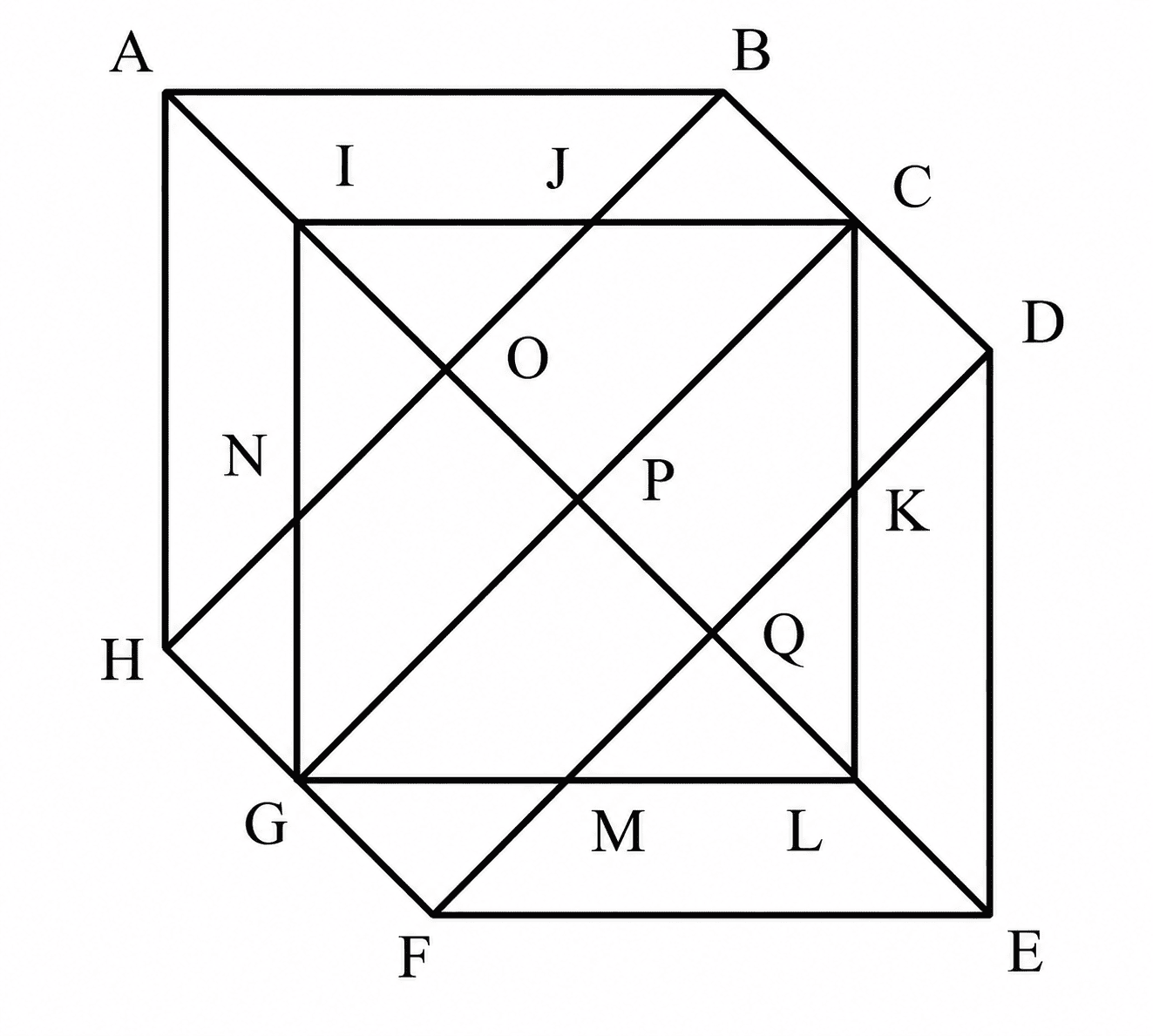
The triangles formed in the figure are:
IJO, BCJ, CDK, KQL, MLQ, GFM, GHN, N1O, ABO, AHO, NIJ, 1GP, ICP, DEQ, FEQ, KLM, LCP, LGP, HAB, DBF, LGI, GIC, ICL and CLG
Therefore, the total number of triangles is:
Total triangles = 24
So, the above figure has 24 triangles
Correct Answer: Option (C)
Find the number of triangles in the given figure.
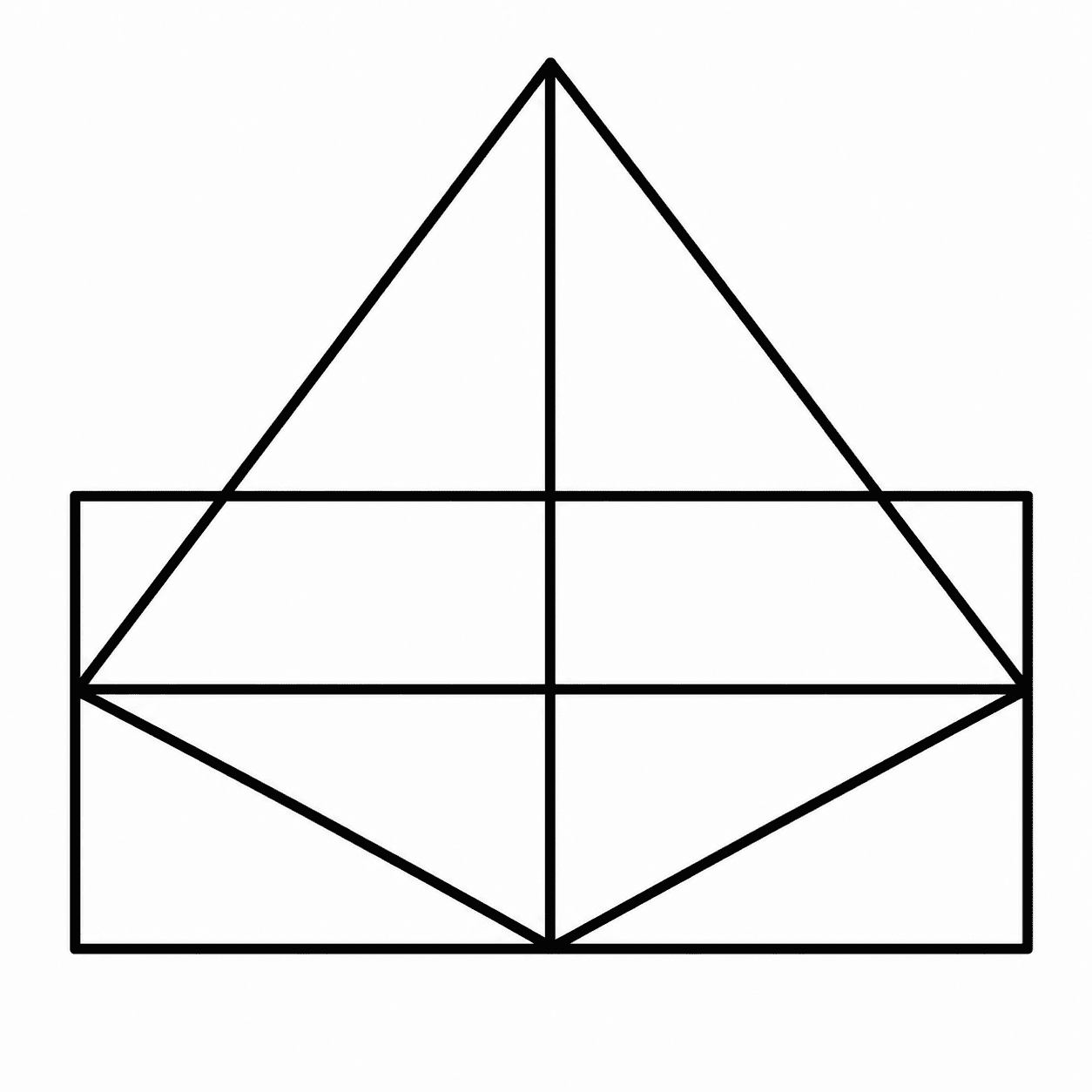
🔍 Analyze the Pattern
Count the triangles systematically, starting with the smaller triangles and then moving to the larger triangles.
On carefully observing the labelled figure:
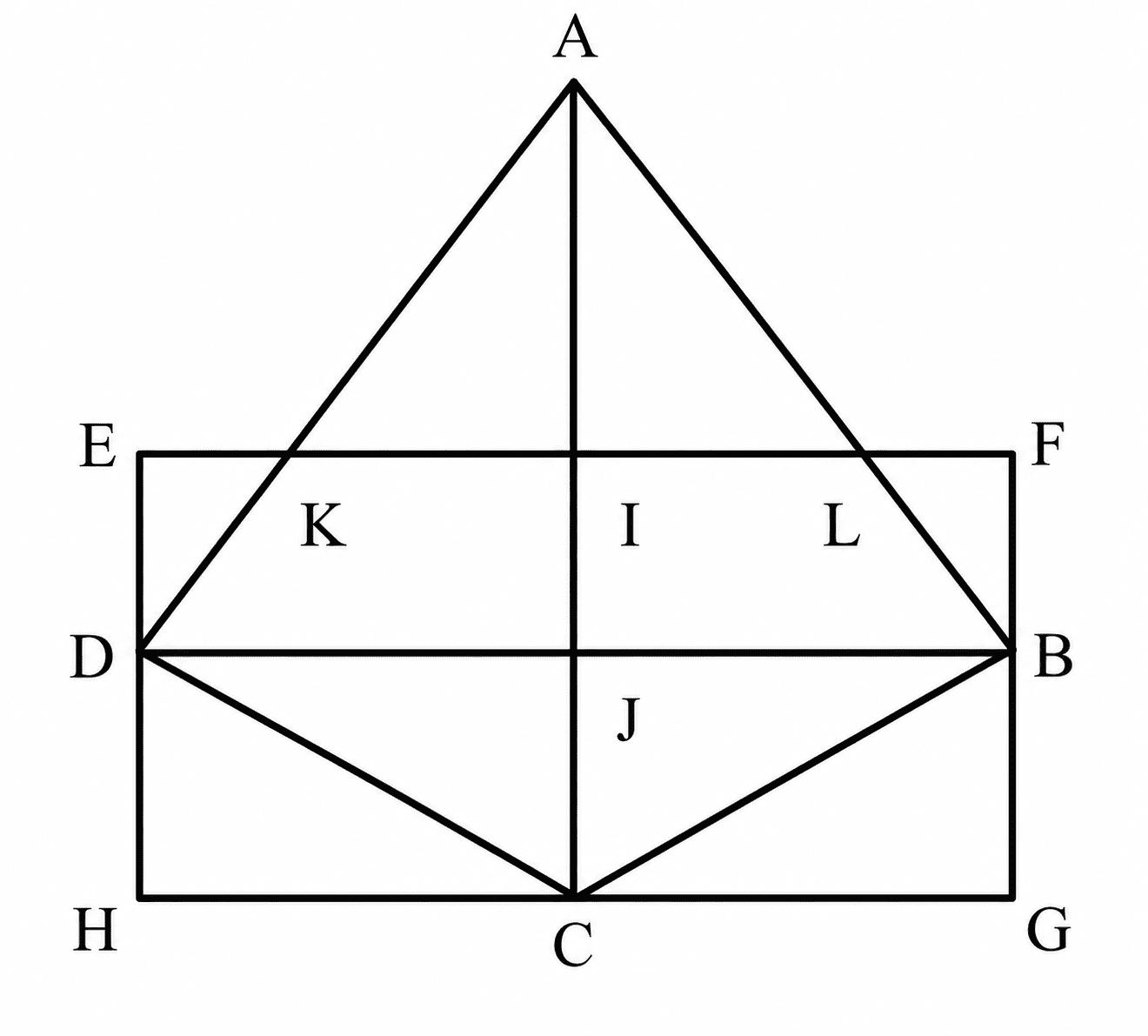
The triangles formed in the figure are:
AKI, AIU.EKD, LFB, DJC, BJC, DHC, BCG, AKL, ADJ, AJB, DBC ADC, ABC, ADB
Therefore, the total number of triangles is:
Total triangles = 15
So, the above figure has 15 triangles
Correct Answer: Option (C)
Find the number of triangles in the given figure.
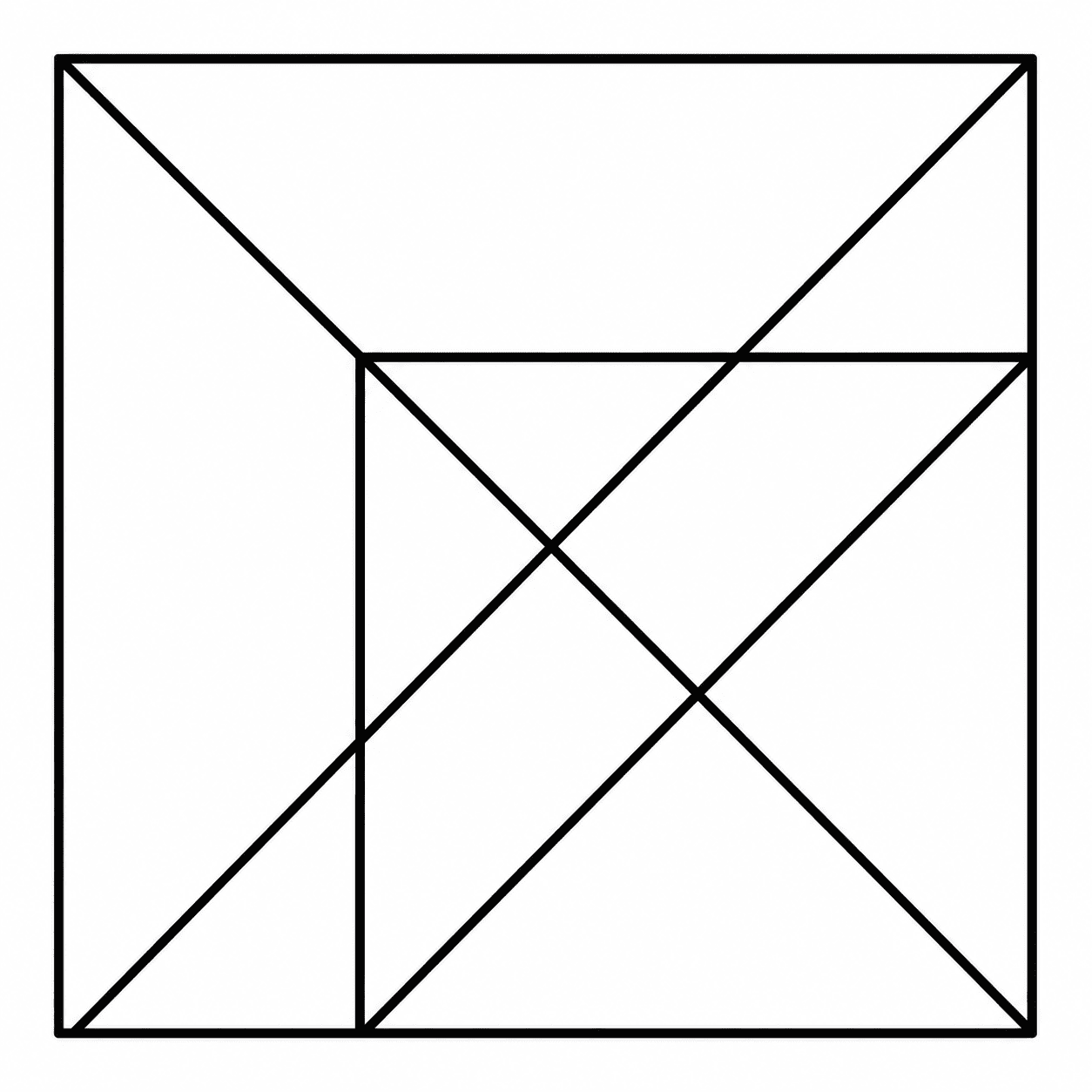
🔍 Analyze the Pattern
Count the triangles systematically, starting with the smaller triangles and then moving to the larger triangles.
On carefully observing the labelled figure:
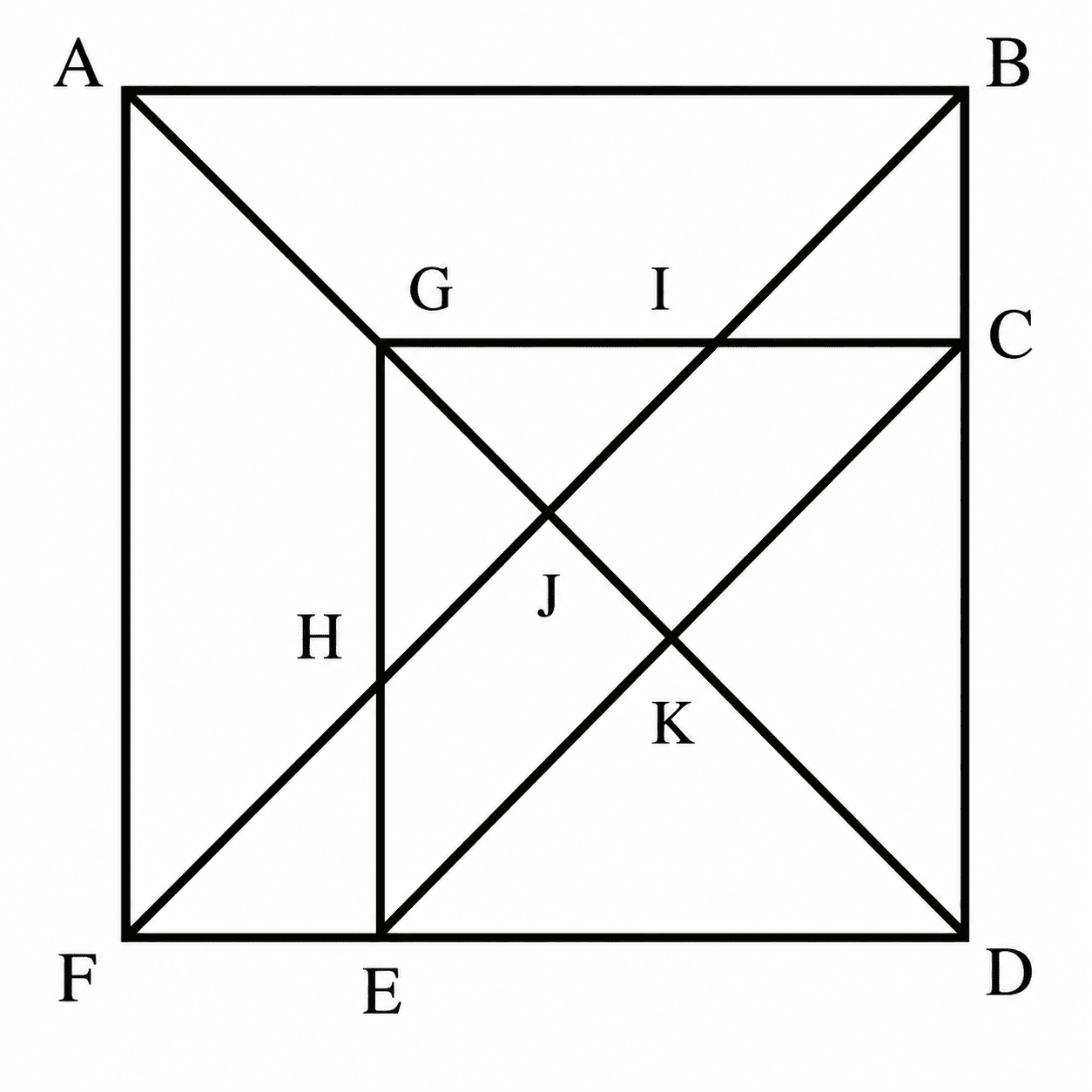
The triangles formed in the figure are:
EFH, BIG, GHJ, GIJ, EKD, CKD, ABJ, AFJ, GCK, GEK, CED, GHI, GCD, GED, DJB, DJF, ABF, GCE, ABD, AFD, FED
Therefore, the total number of triangles is:
Total triangles = 21
So, the above figure has 21 triangles
Correct Answer: Option (D)
Find the number of triangles in the given figure.
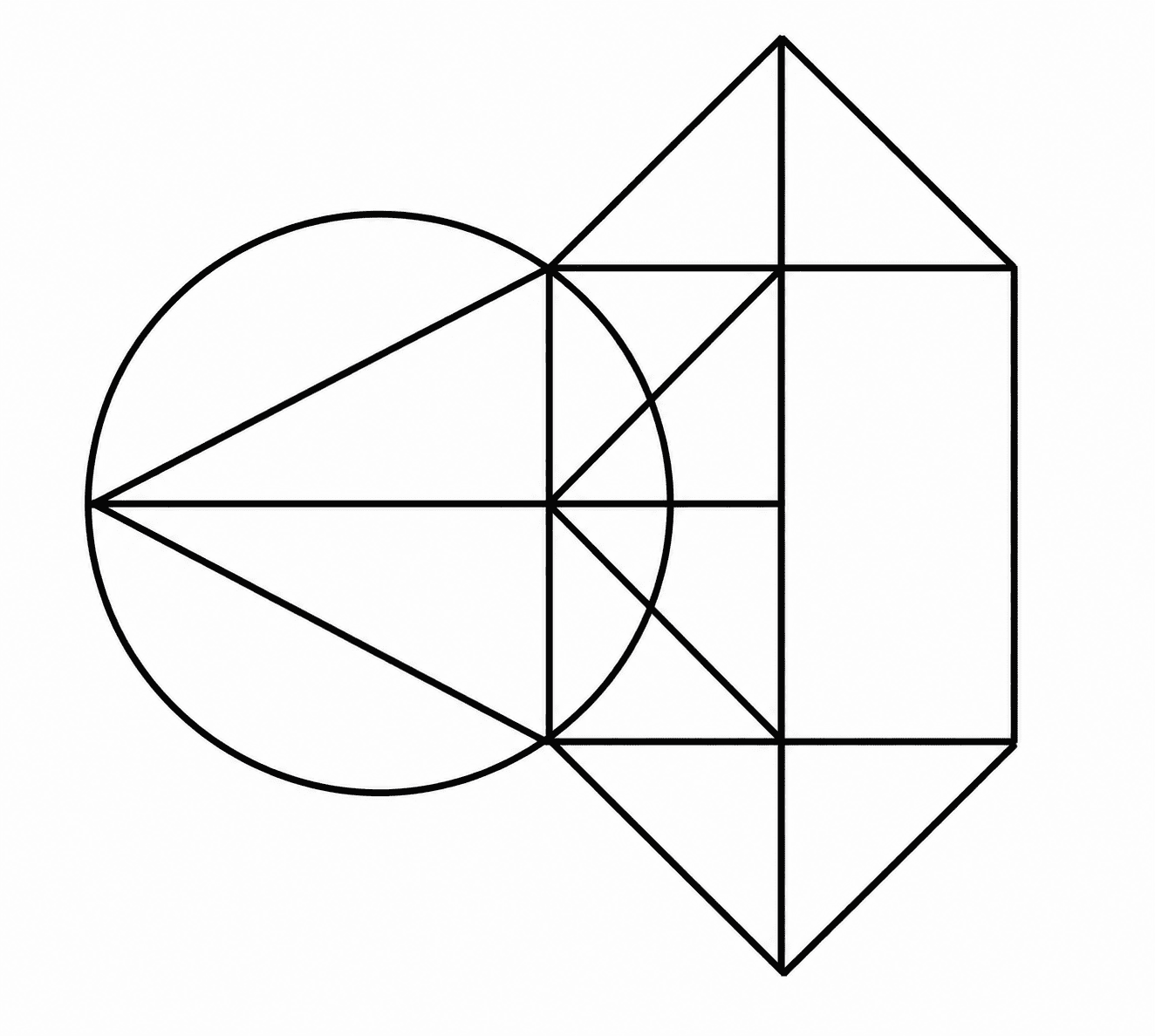
🔍 Analyze the Pattern
Count the triangles systematically, starting with the smaller triangles and then moving to the larger triangles.
On carefully observing the labelled figure:
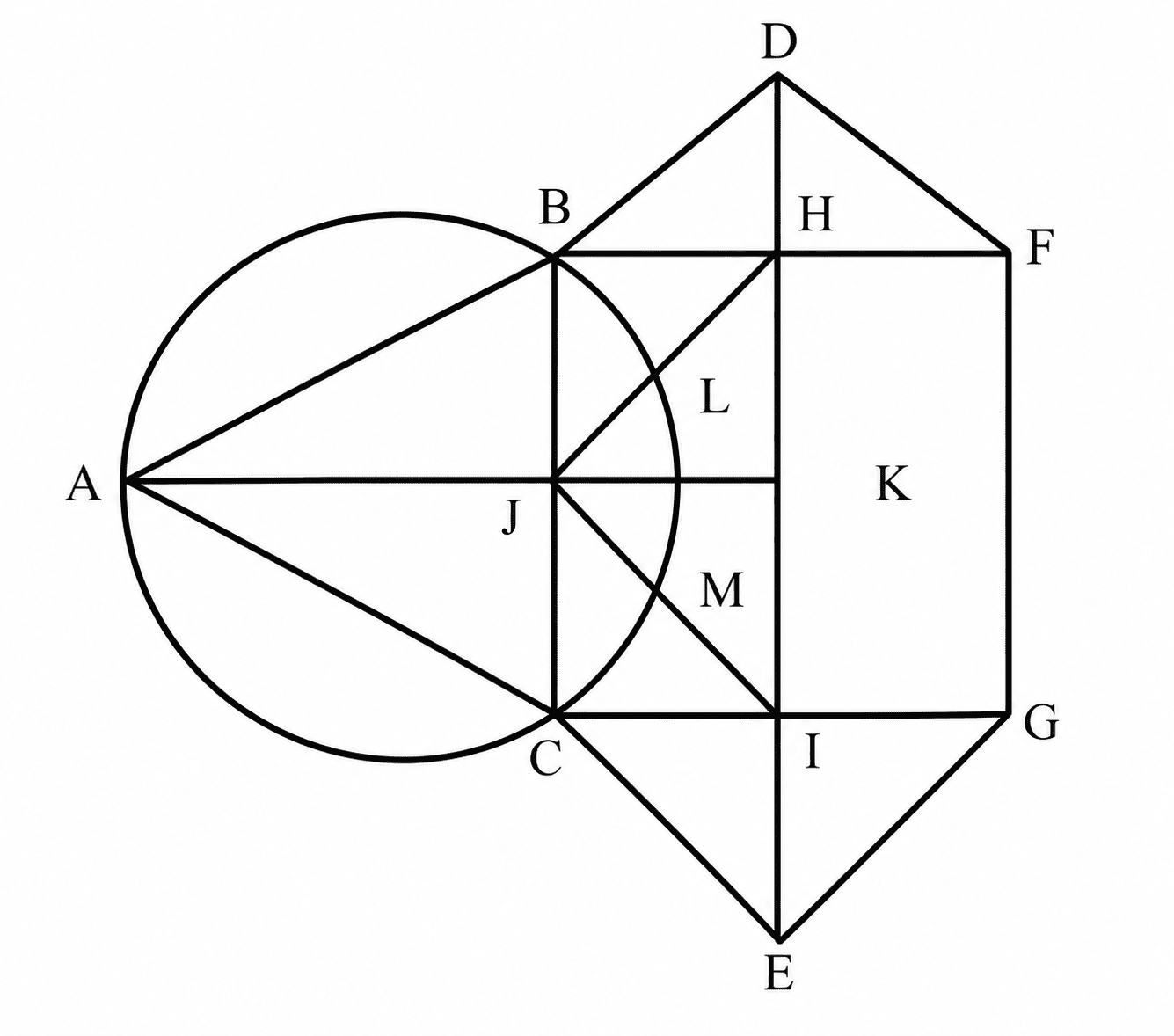
The triangles formed in the figure are:
ABJ, ACJ, BDH, DHF, CIE, GIE, ABC, BDF, CEG, BHJ, JHK, JKI, CJI
Therefore, the total number of triangles is:
Total triangles = 14
So, the above figure has 14 triangles
Correct Answer: Option (C)
Find the number of triangles in the given figure.
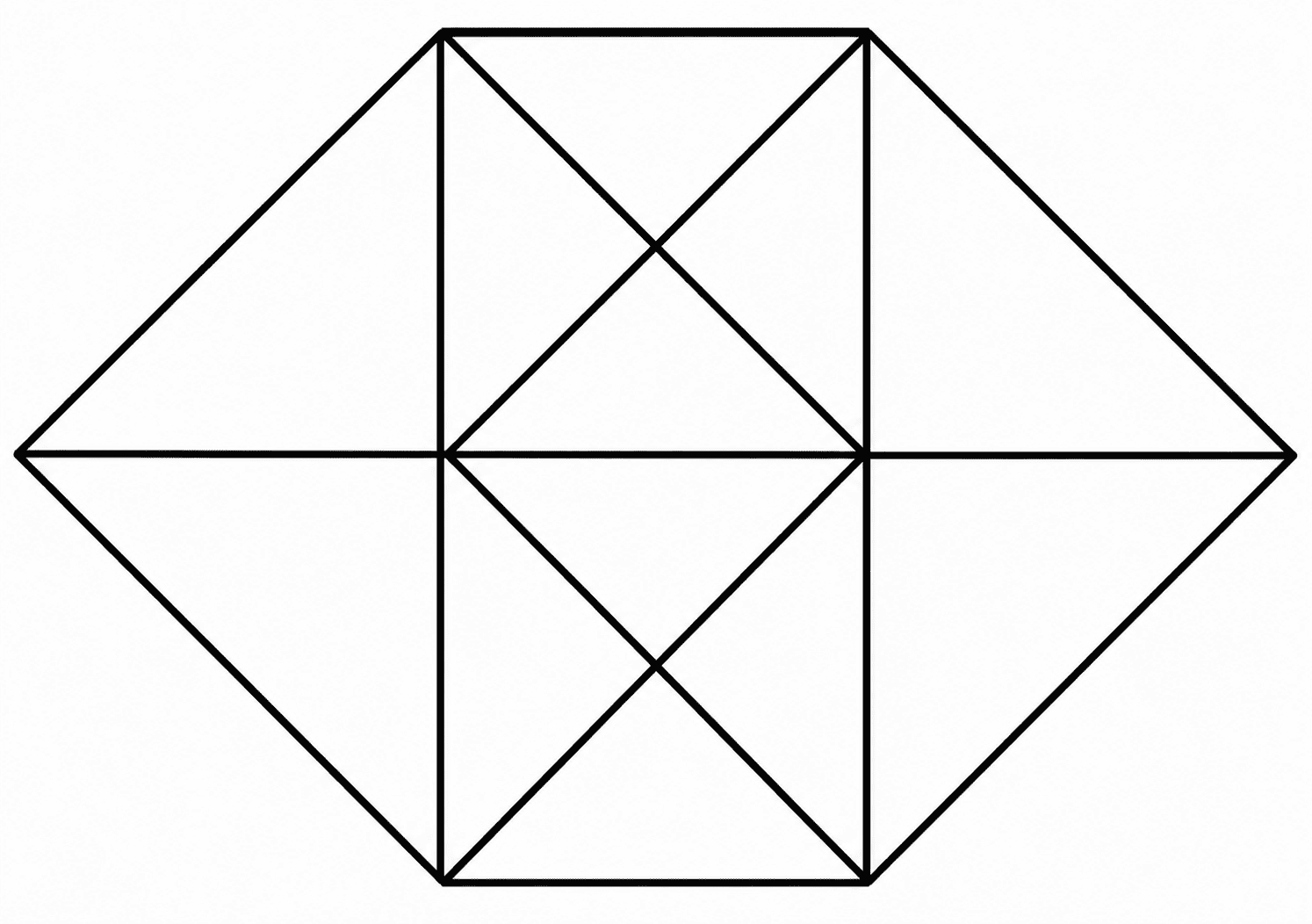
🔍 Analyze the Pattern
Count the triangles systematically, starting with the smaller triangles and then moving to the larger triangles.
On carefully observing the labelled figure:
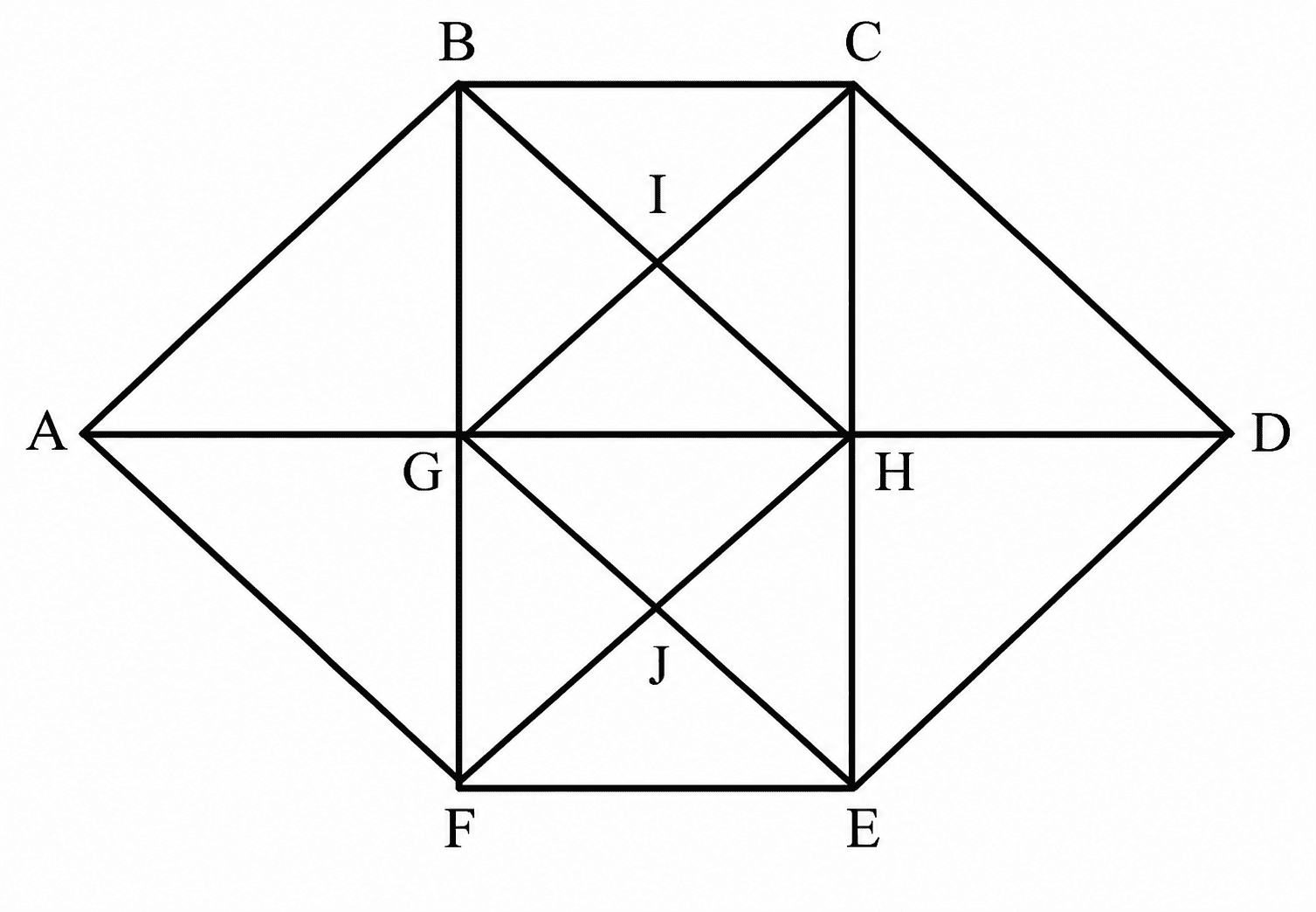
The triangles formed in the figure are:
ABG, BIG, BIG, CIH, GIH, CDH, RED, GHJ, HJE, FEJ, GFJ, AGF, ABF, CDE, GBC, BCH, CHG, BHG, GHF, GHE, HEF and GEF, ABH, AFH, CDG, GDE, BHF, CGE
Therefore, the total number of triangles is:
Total triangles = 28
So, the above figure has 28 triangles
Correct Answer: Option (C)
Find the number of triangles in the given figure.
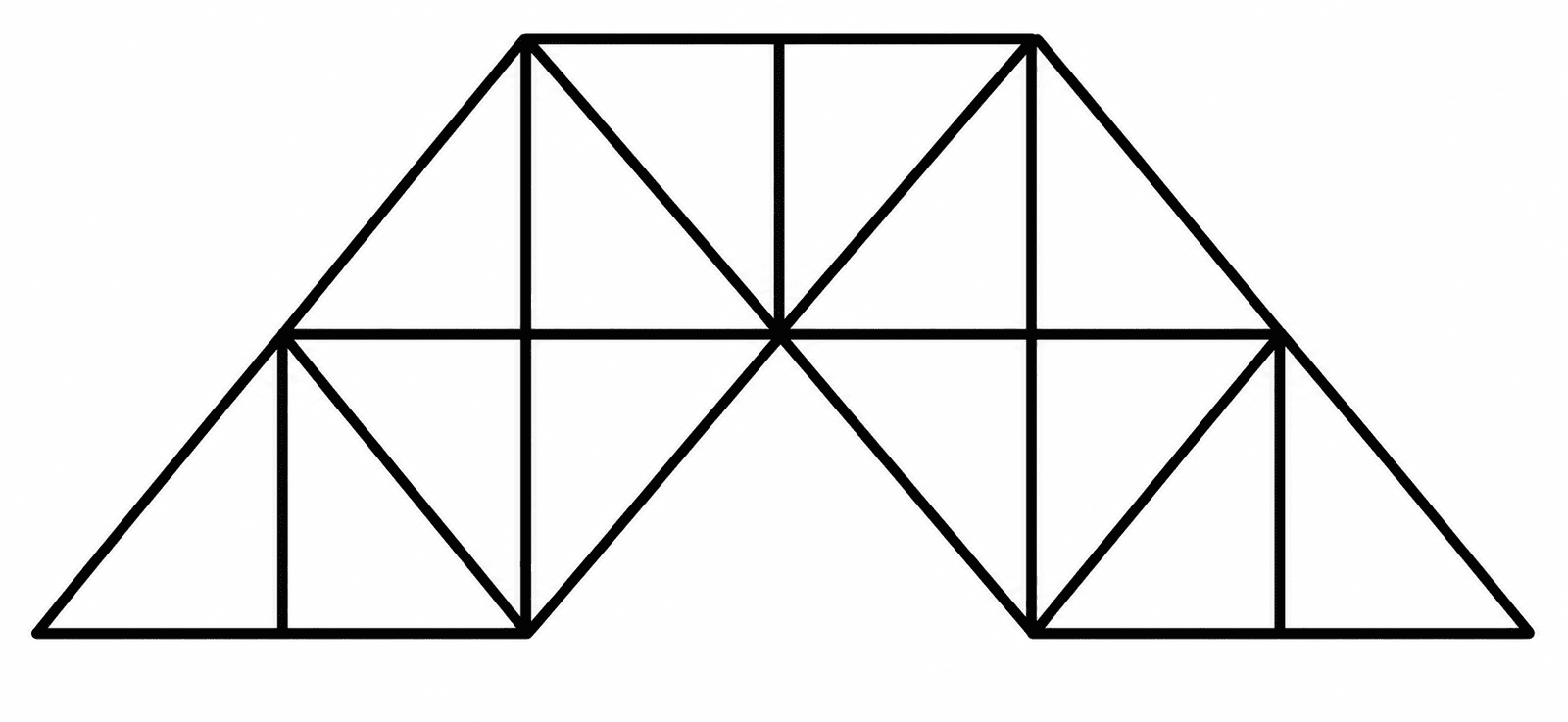
🔍 Analyze the Pattern
Count the triangles systematically, starting with the smaller triangles and then moving to the larger triangles.
On carefully observing the labelled figure:
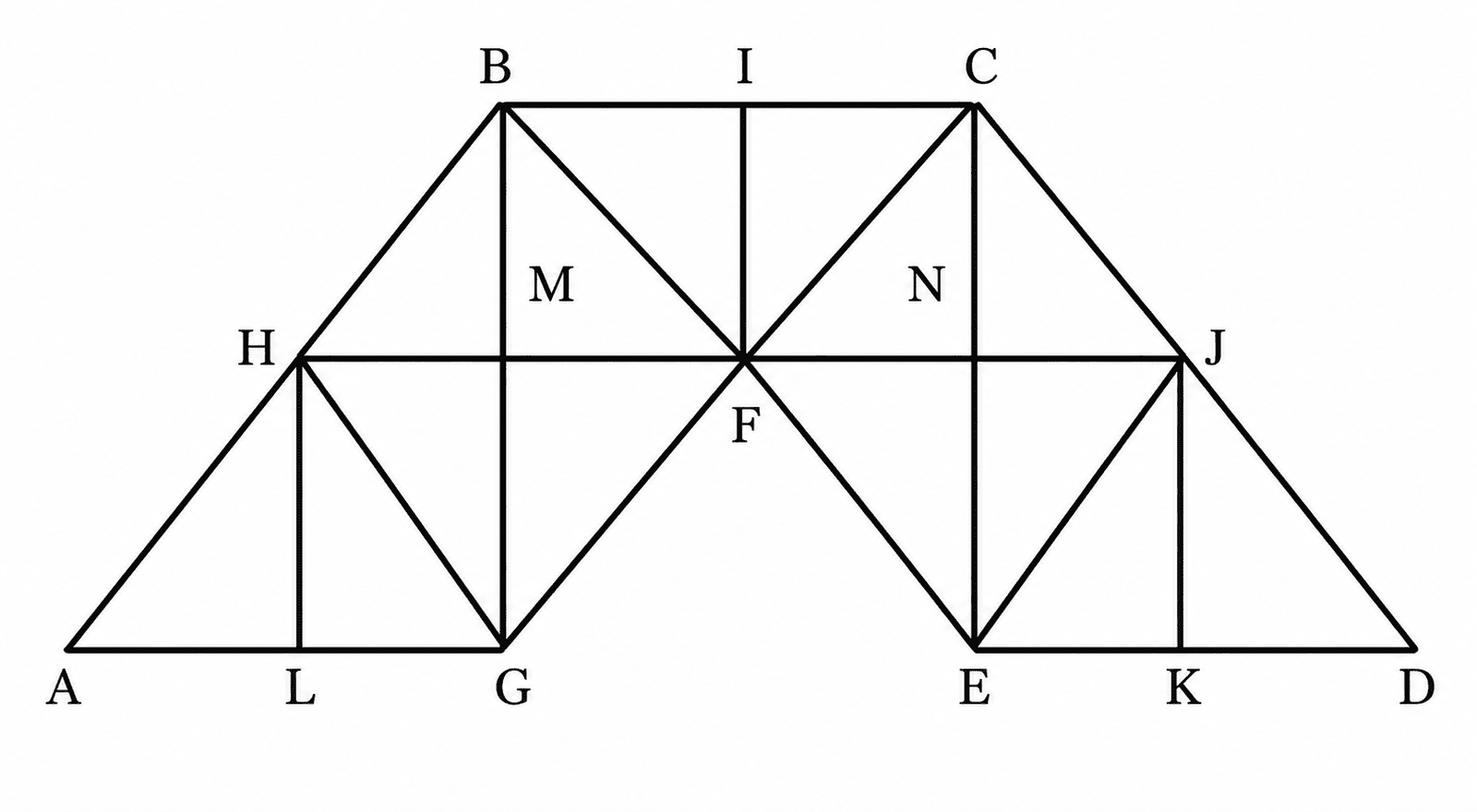
The triangles formed in the figure are:
AHL, LHG, GHM, HMB, GMF, BMF, BIF, CIF, FNC, CNJ, FNE, NEJ, EKJ, JKD, AGH, BHG, HBF, BFG, HFG, BCF, CJF, CJE, JEF, CFE, JED, ABG, CBG, BCE, CED
Therefore, the total number of triangles is:
Total triangles = 29
So, the above figure has 29 triangles
Correct Answer: Option (C)
Find the number of triangles in the given figure.
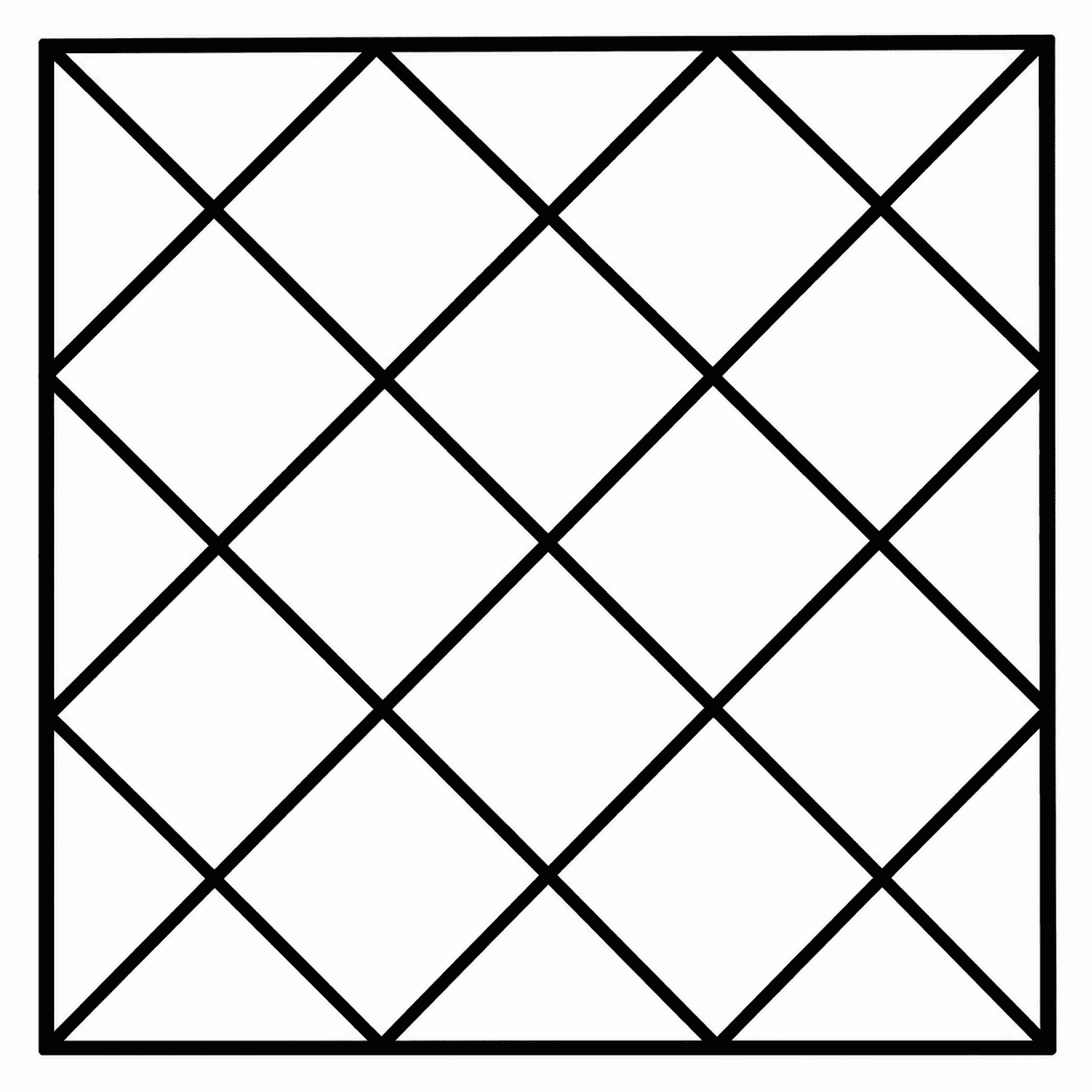
🔍 Analyze the Pattern
Count the triangles systematically, starting with the smaller triangles and then moving to the larger triangles.
On carefully observing the labelled figure:
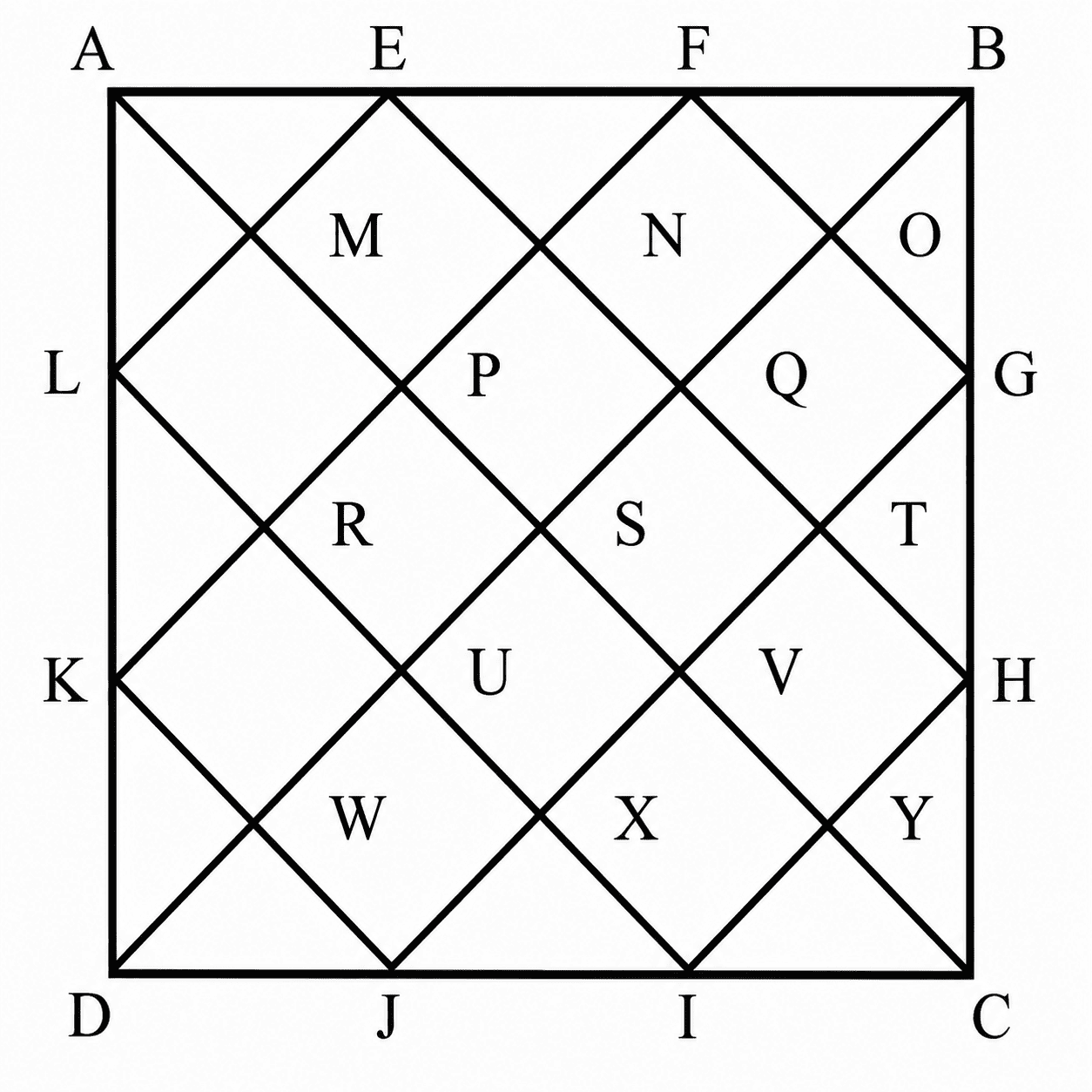
The triangles formed in the figure are:
AML, LRK, KWD, DWJ, JXI, IYC, CYH, HTG, GOB, EOF, FNE, EMA, AEL, KDJ, HIC, FBG, APF, EQB, BQH, GVC, CVJ, IUD, DUL, KPA, ASB, BSC, CSD, DSA, AKF, EBH, GCJ, IDL, ADB, ABC, BCD
Therefore, the total number of triangles is:
Total triangles = 36
So, the above figure has 36 triangles
Correct Answer: Option (C)
What is the number of triangle that can be formed whose vertices are the vertices of an octagon but have only one side common with that of the octagon?
🔍 Understand the Question
We need to find the number of triangles whose vertices are the vertices of an octagon and which have only one side common with the octagon.
On carefully observing the labelled figure:
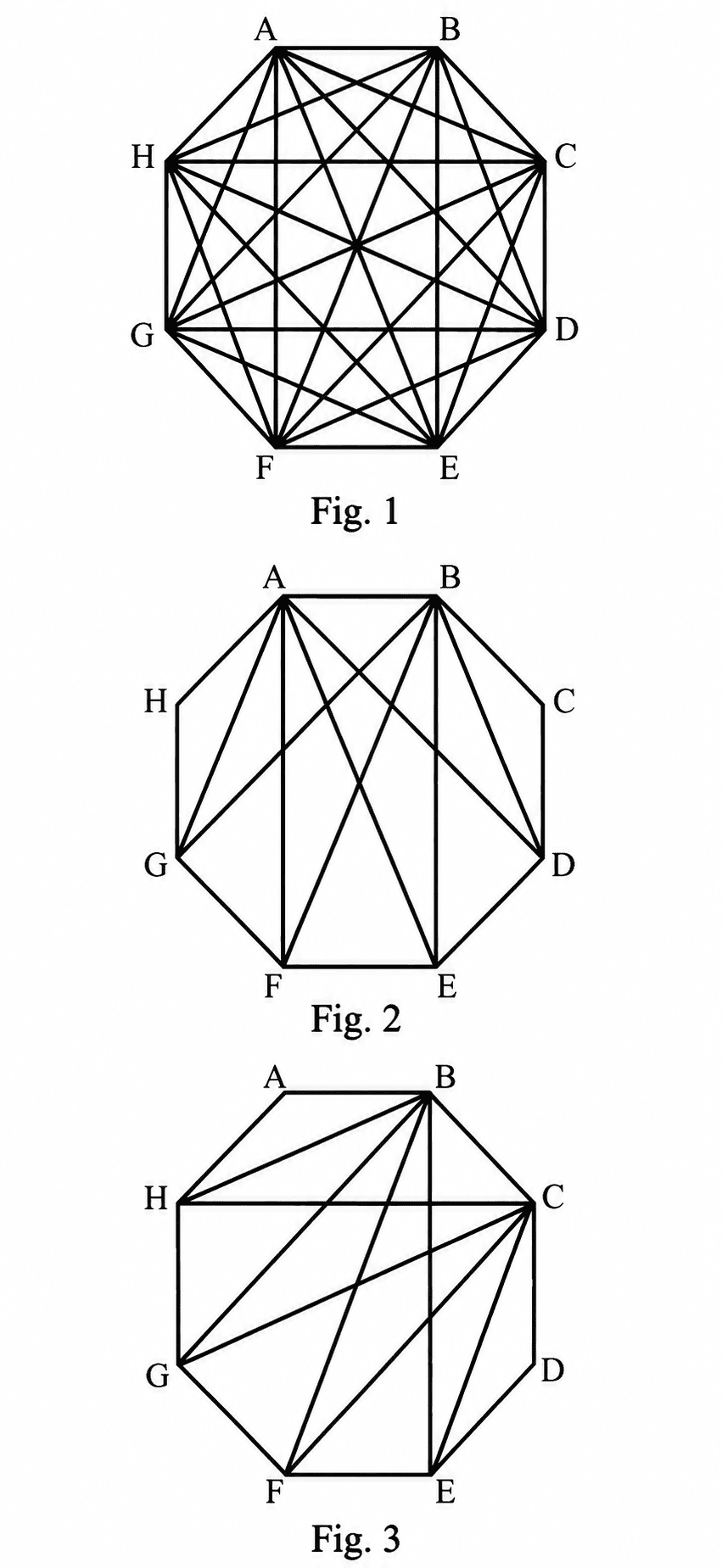
Step 1: Choose One Side of the Octagon
An octagon has 8 sides.
Any one of these 8 sides can be the single common side of the triangle.
Step 2: Choose the Third Vertex
After selecting one side, its two endpoints are already used.
The vertices immediately before and after the selected side must also be avoided. Choosing either of them would create another side common with the octagon.
Therefore, the number of valid third vertices is:
8 − 4 = 4
Step 3: Calculate the Total Number of Triangles
8 × 4 = 32
Correct Answer: Option (B) 32
⚡ Quick Exam Shortcut
For each side of the octagon, there are 4 valid choices for the third vertex so that the triangle has exactly one side common with the octagon.
8 sides × 4 choices = 32 triangles
Shortcut Answer: 8 × 4 = 32 → Option (B).