Trigger Scenario Based Questions in Salesforce
Scenario-based Salesforce trigger questions with solutions — real business requirements turned into Apex triggers, with code and explanations.
How to write a resume that gets shortlisted as a student: structure, projects, skills, achievements and the common mistakes recruiters reject.

Graduation day feels unreal. One moment you are submitting assignments, the next moment you are stepping out into the professional world with a degree in hand and a thousand questions in mind.
Congratulations on reaching this milestone. It is a big deal.
Now comes the part that makes most college students nervous: creating a resume that actually gets noticed.
Recruiters today receive hundreds, sometimes thousands, of resumes for a single job role. Many of them look the same. Same format. Same buzzwords. Same generic content.
So the real question is not “How do I make a resume?” It is “How do I make a resume that stands out?”
This guide is written specifically for college students and fresh graduates. No jargon. No unrealistic advice. Just clear, practical resume writing tips that help you present your skills, experiences, and potential in a way recruiters actually care about.
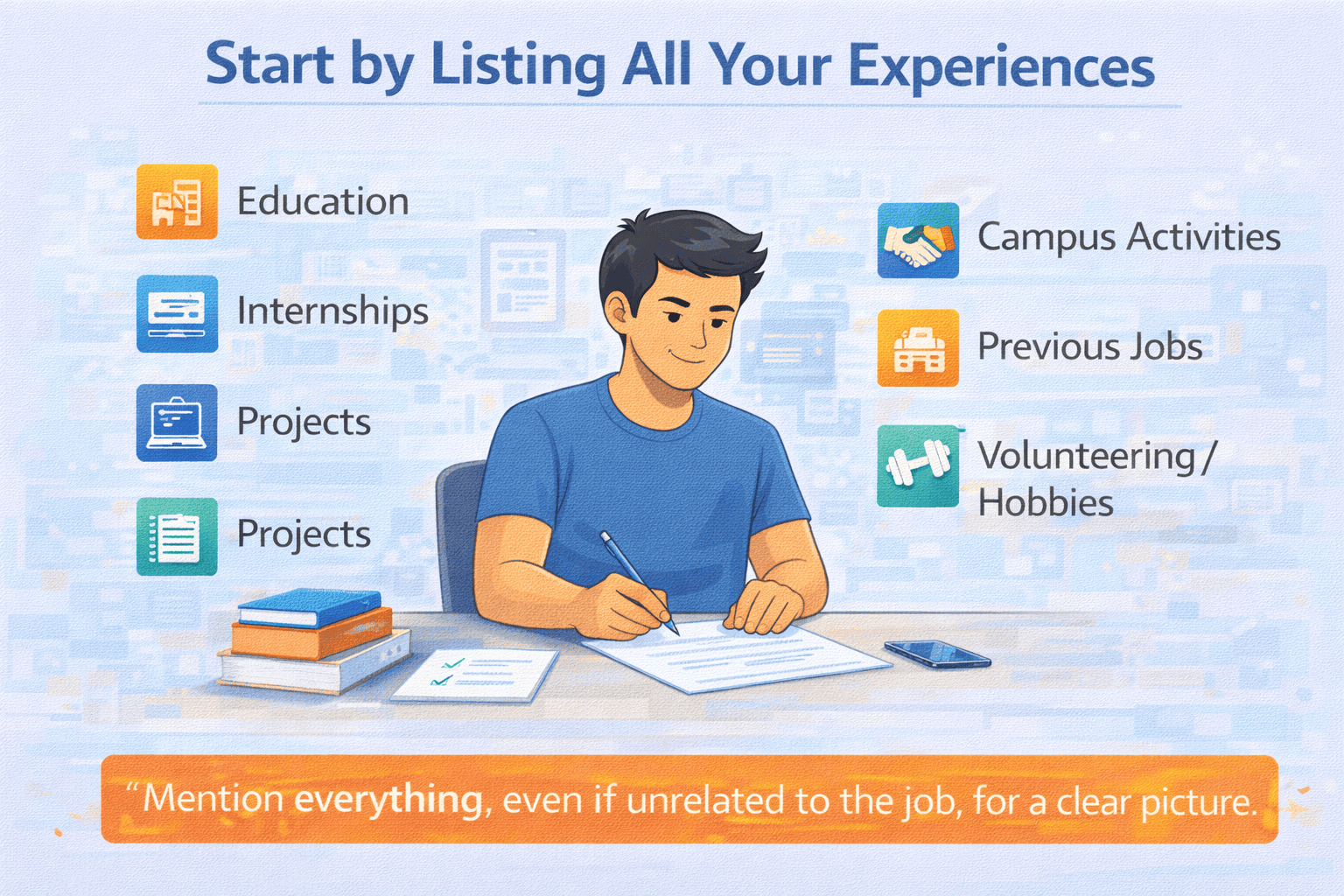
Before opening any resume template, take a step back and write everything down.
Your experience does not have to come only from full-time jobs. As a college student, your experiences can include:
Once everything is on paper, shortlist the experiences that are most relevant to the job you are applying for. Your resume should not tell your life story. It should tell a focused, relevant story.
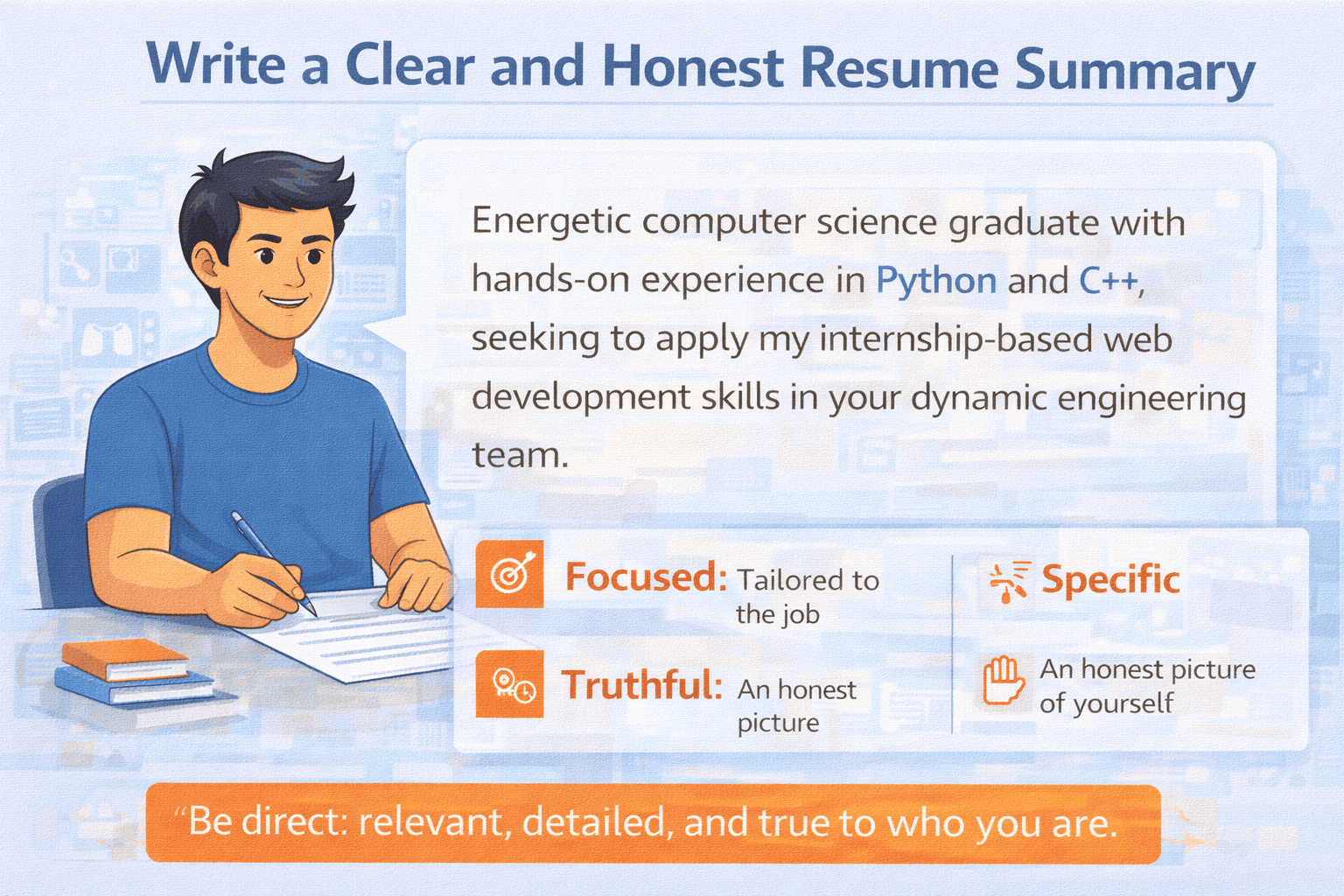
Your resume summary is the first thing a recruiter reads. In a few seconds, it should answer one question:
As a college student, keep your summary short, honest, and specific. Focus on your field of study, key skills, and what you are looking for.
A good summary sounds confident, not exaggerated.
Example:
“Final-year Computer Science student with strong fundamentals in programming, data structures, and web development. Hands-on experience through internships and academic projects. Actively seeking an entry-level software development role to apply and grow technical skills.”
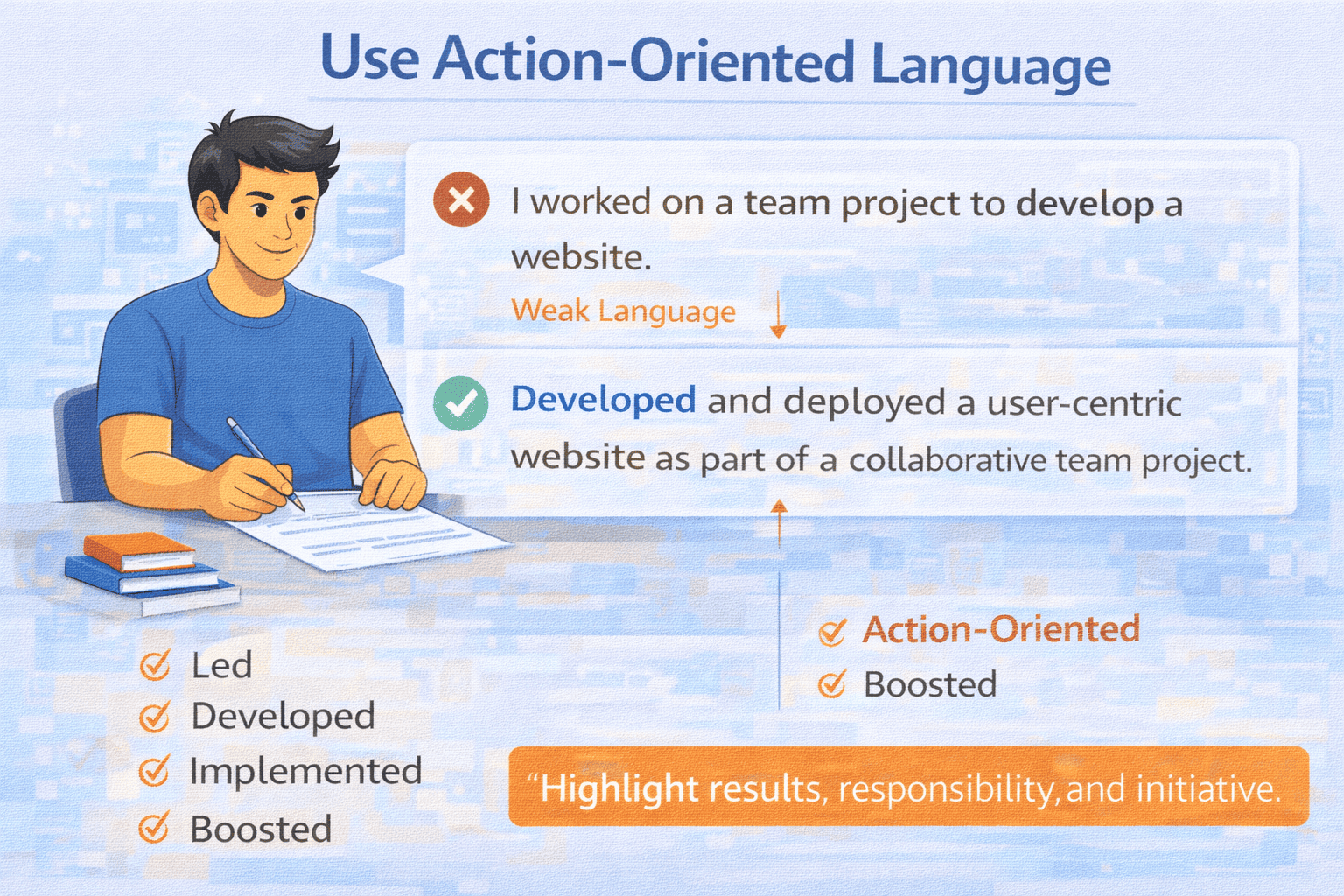
The way you describe your experience matters as much as the experience itself.
Instead of passive sentences, use action words that show initiative and responsibility.
For example, instead of writing:
“Was part of a college project on web development.”
Write:
“Developed a responsive web application as part of a college project using HTML, CSS, and JavaScript.”
This small change makes a big difference.
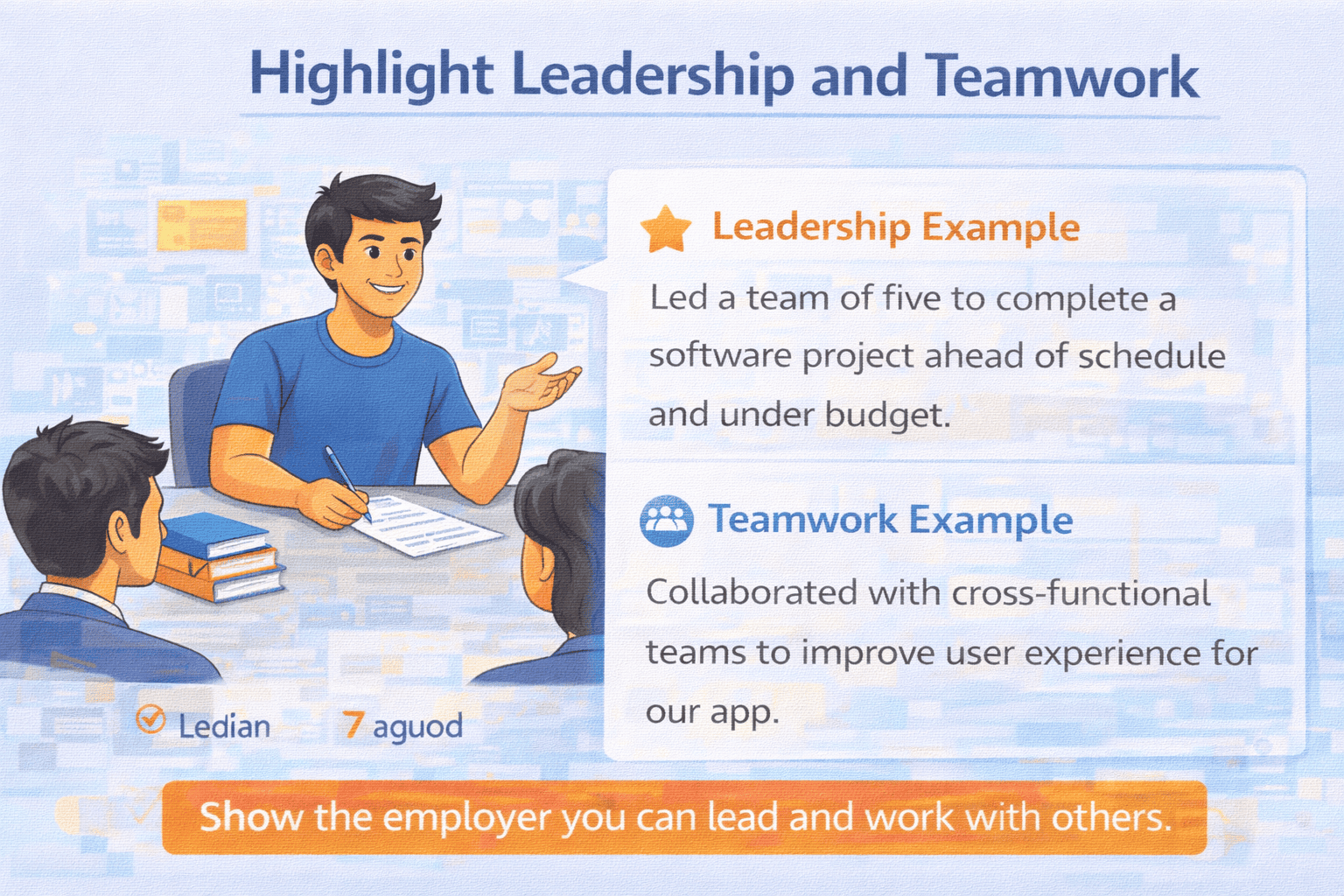
Employers do not just hire skills. They hire people.
If you have taken responsibility at any point during college, make sure it shows on your resume. Leadership does not always mean being a class representative. It can be:
Use language that reflects ownership and accountability. This helps recruiters visualize you as someone who can contribute beyond assigned tasks.
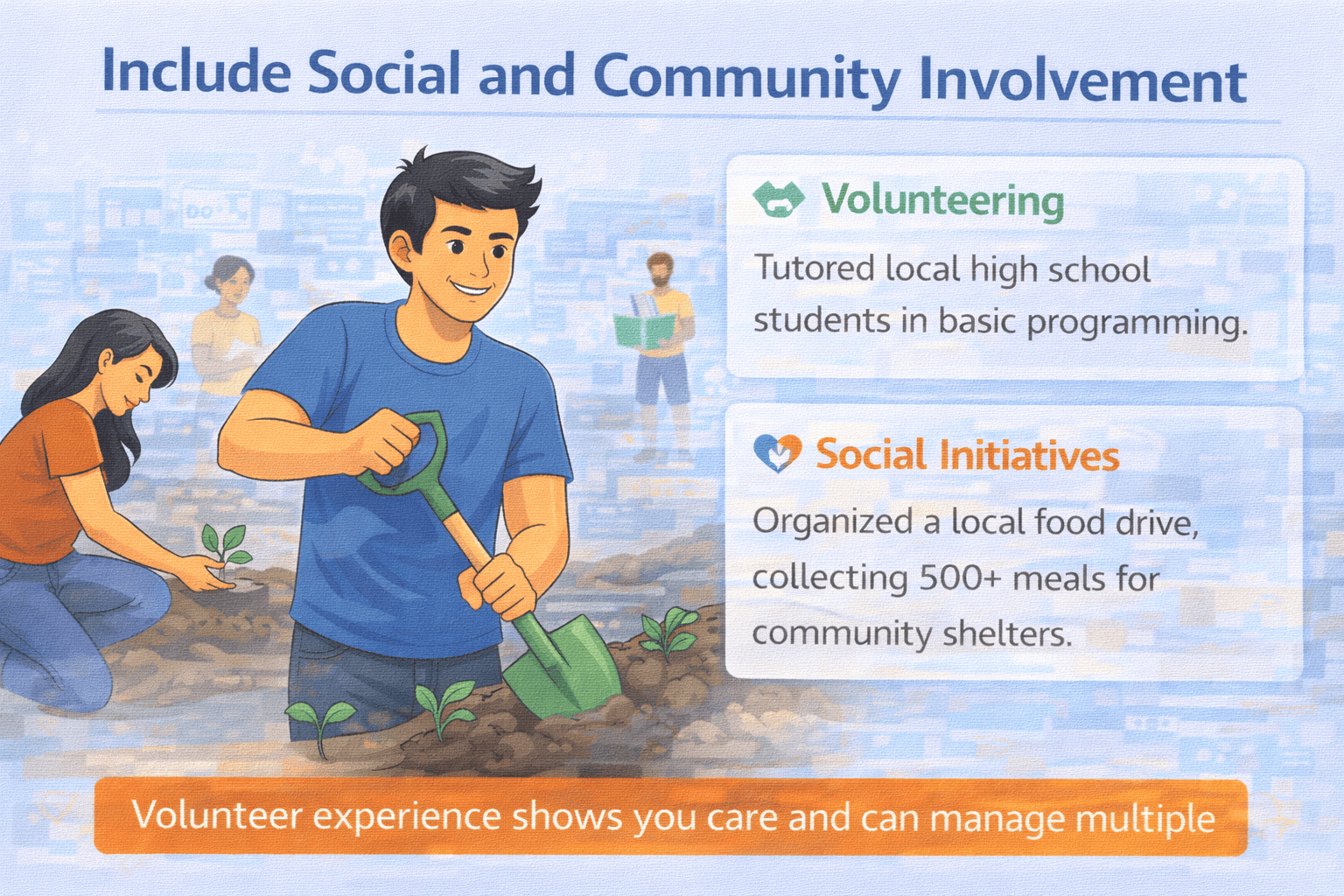
Being involved in social or community activities adds depth to your resume.
It shows that you are:
Volunteering, NGO work, blood donation camps, teaching initiatives, or college outreach programs are all worth mentioning if they reflect commitment and consistency.
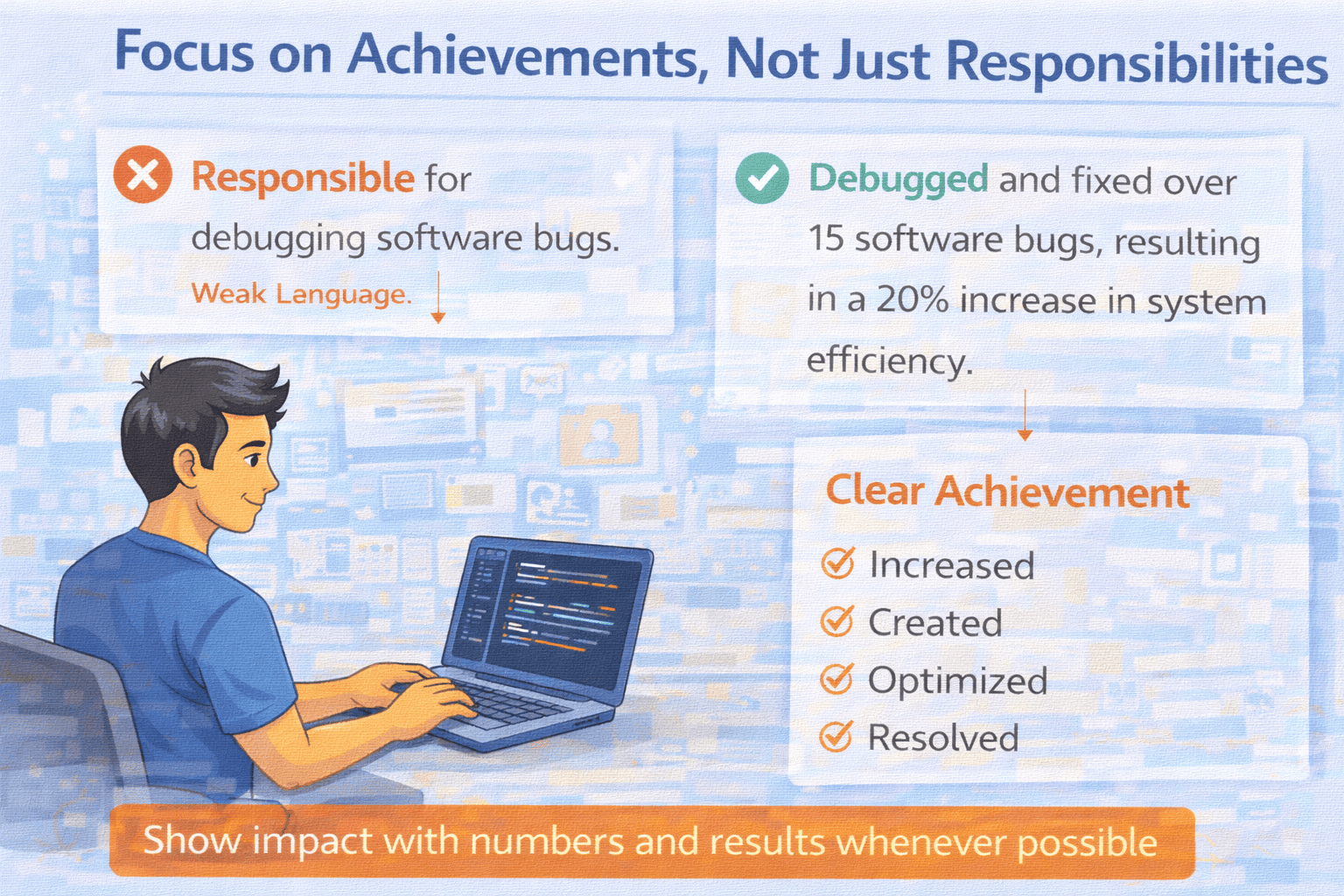
This is where many students go wrong.
Do not just list what you were supposed to do. Highlight what you actually achieved.
Instead of writing:
“Worked as an intern in the marketing team.”
Write:
“Contributed to a digital marketing campaign that increased social media engagement by 20% during a three-month internship.”
Numbers, results, and outcomes make your resume more credible and impactful.
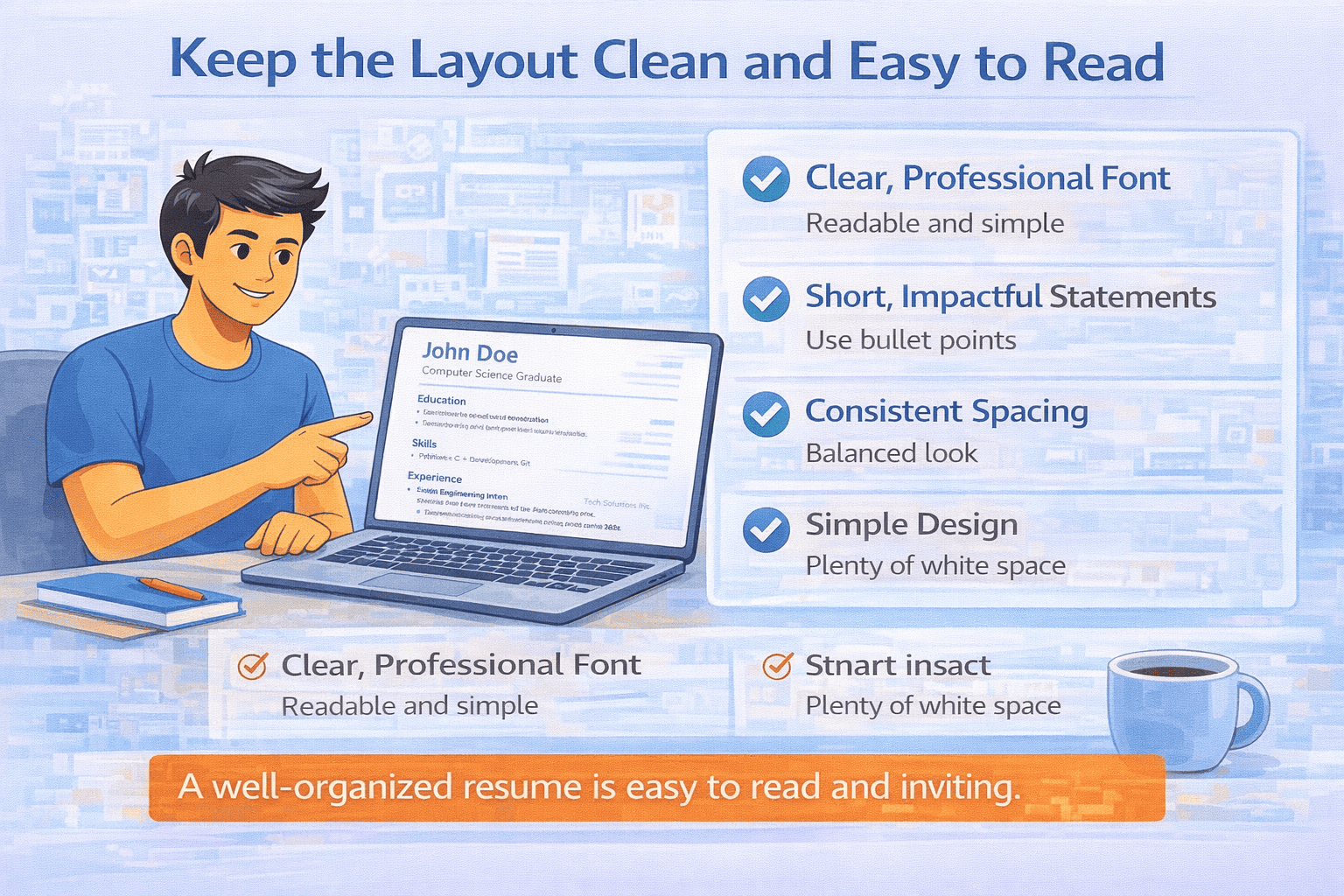
Your resume should be easy on the eyes.
Recruiters scan resumes quickly, so:
A clean layout shows professionalism and attention to detail.
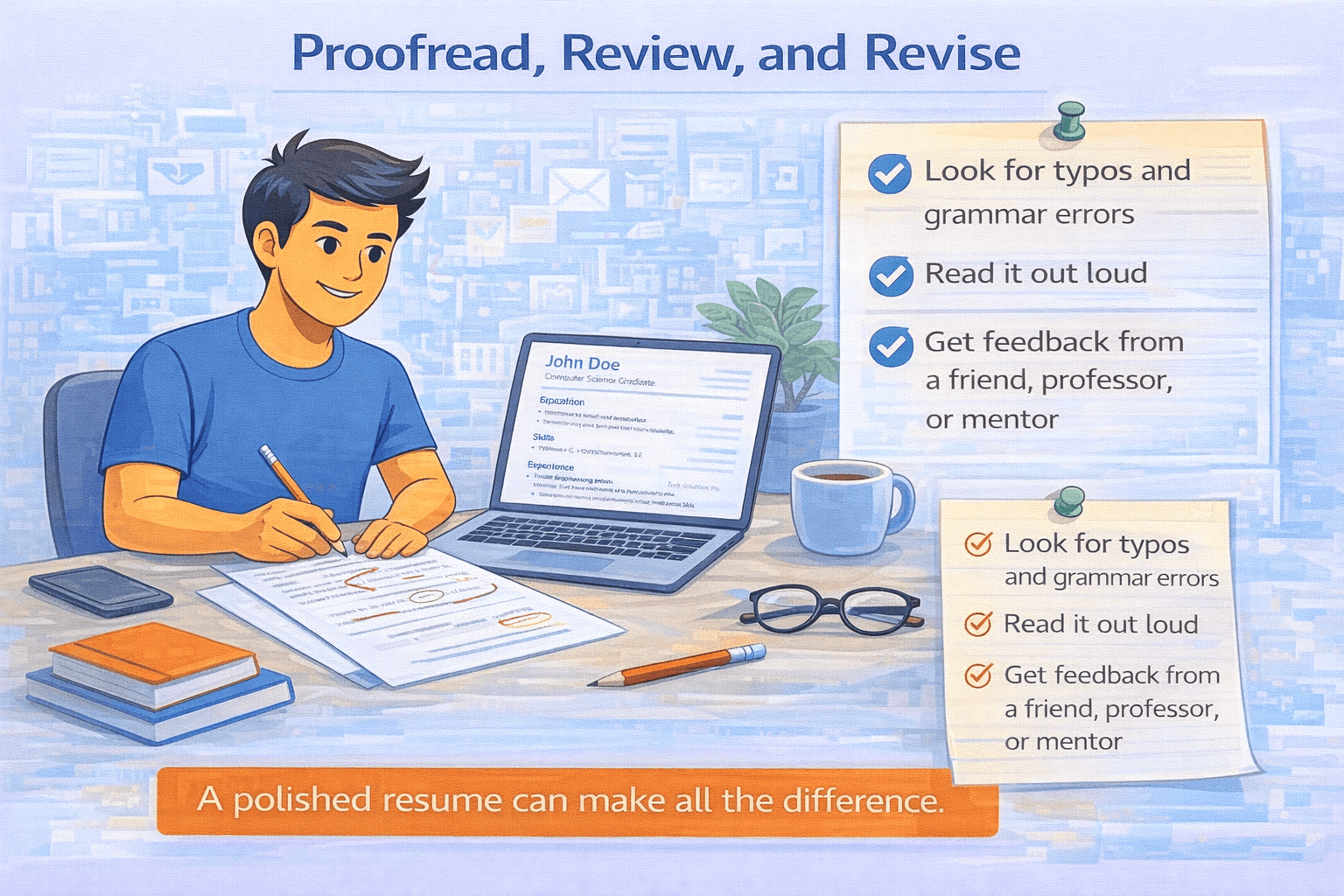
Even the best content can be rejected due to small mistakes.
Before submitting your resume:
Fresh eyes often catch mistakes you miss.
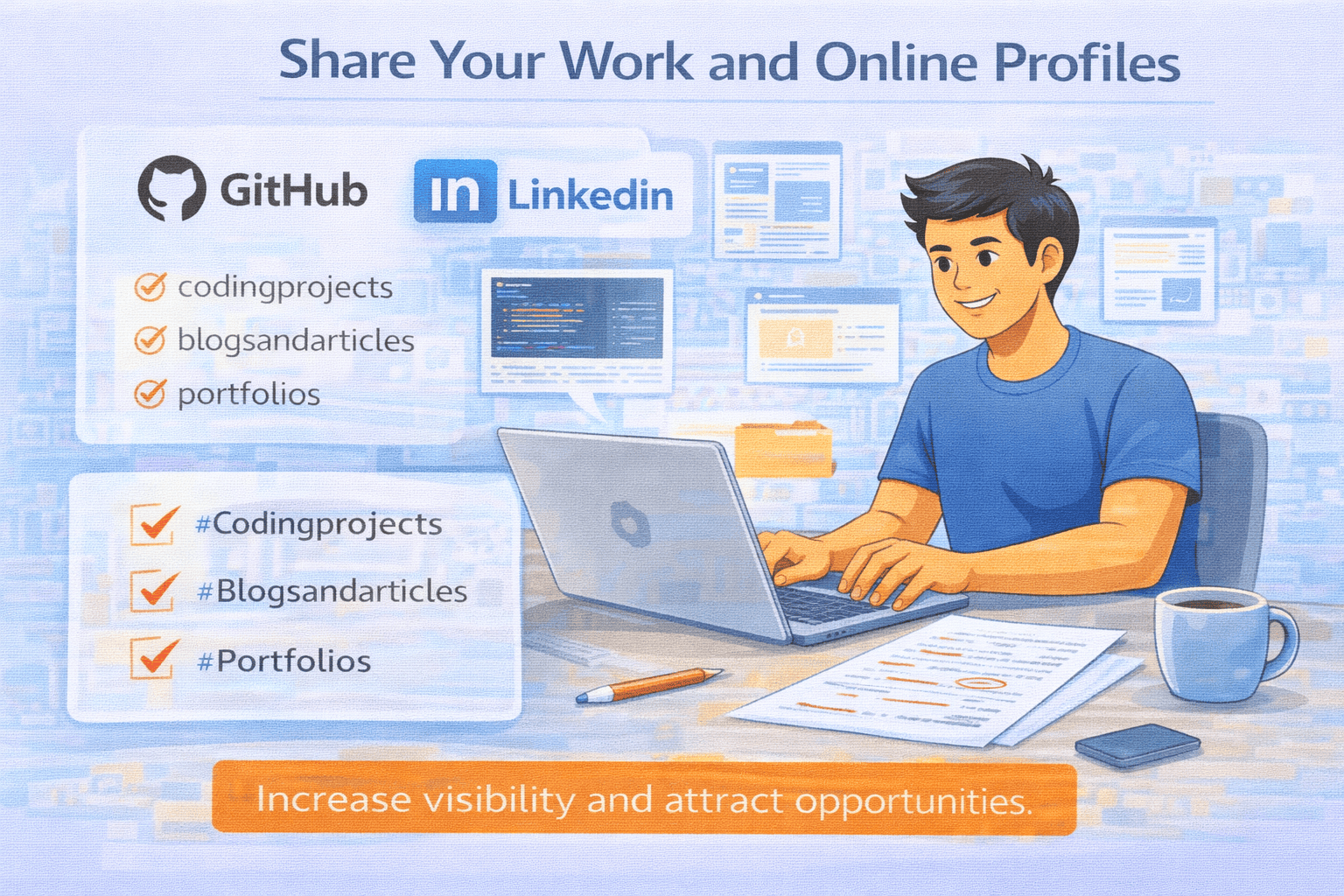
If you have real work to show, do not hide it.
Add links to:
This gives recruiters a deeper look into your skills beyond bullet points.
Your resume is more than a document. It is your first impression.
As a college student, you may not have years of experience, and that is completely fine. What matters is how clearly and honestly you present your skills, learning, and potential.
Take your time. Revise it. Improve it. And remember, a well-written resume does not guarantee a job, but it absolutely improves your chances of getting that first interview.
Build it with care. Your future self will thank you.
One short email when we publish something new — interview questions, Salesforce guides and career tips. No spam, unsubscribe in one click.
Scenario-based Salesforce trigger questions with solutions — real business requirements turned into Apex triggers, with code and explanations.

Batch Apex interview questions answered as a real interview — Database.Batchable, start, execute and finish, governor limits, chaining and testing.
Salesforce Apex trigger interview questions explained — trigger syntax, events, context variables, order of execution and bulkification — with code examples.
Questions, corrections or your own experience — they all help the next reader.