Reasons Why Not All Students Get Placed After College (And What You Can Fix Today)
The real reasons many graduates miss campus placements in the AI era — skills gaps, weak projects, poor interviews — and practical fixes you can start today.
How freshers can land IT jobs off campus: where to find openings, how to apply, how to prepare for tests and interviews, and how to stand out.

If you don’t have a job offer yet and campus placements are over, take a deep breath.
You are not late. You are not behind. And you are definitely not alone.
Every year, thousands of capable graduates miss campus placements for different reasons—limited slots, timing issues, company preferences, or simply bad luck. What many students don’t realize is this:
Off-campus placements are not a backup option. They are a parallel and powerful path to start your career.
This guide is written for college graduates and freshers looking for IT and technical jobs through off-campus hiring.
No shortcuts. No fake motivation. Just practical advice that works.
Off-campus placements require more effort than campus drives, but they also offer more flexibility.
You are not restricted by:
You can apply to hundreds of companies, choose roles aligned with your skills, and grow at your own pace.
Many successful developers and engineers started their careers off-campus.
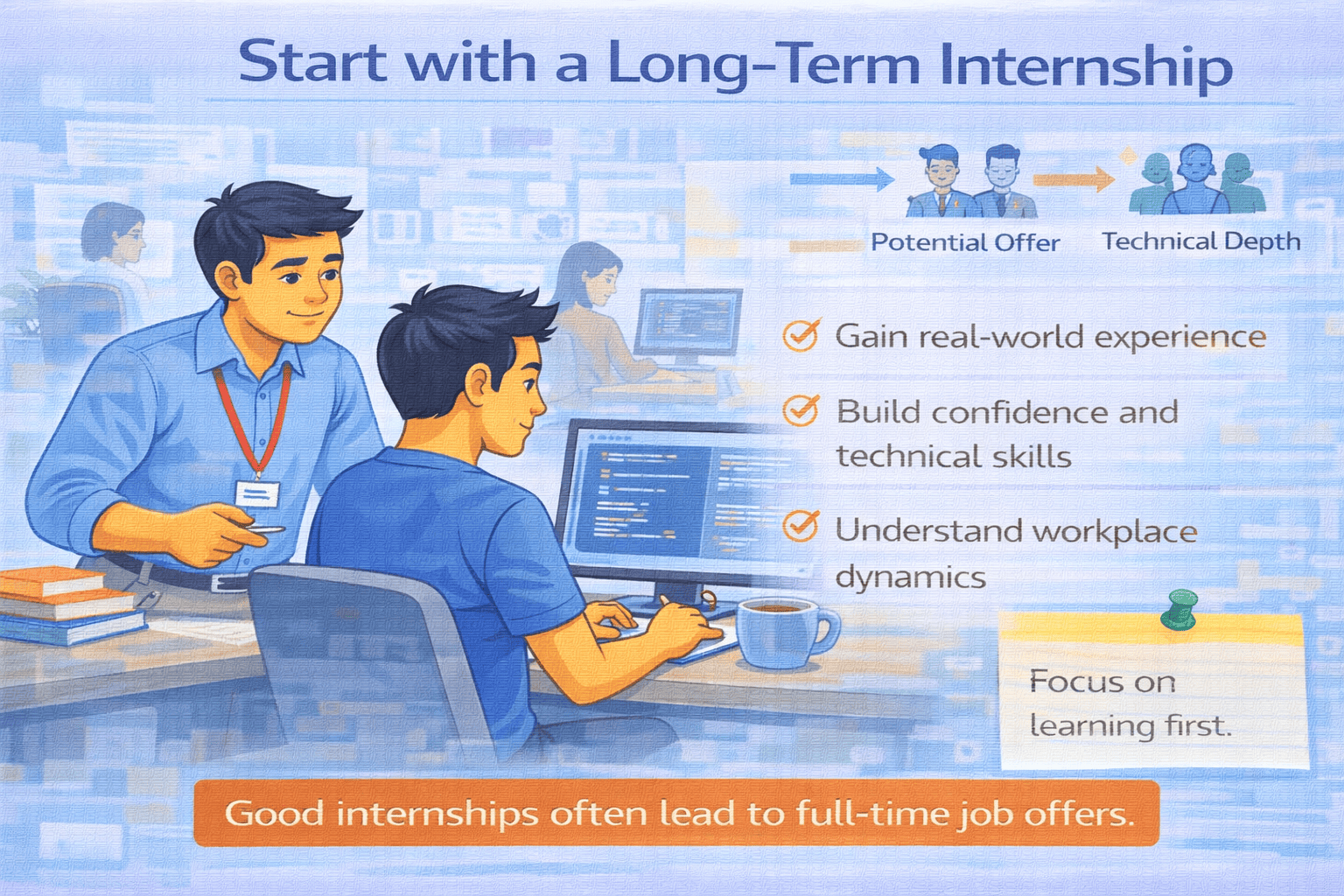
If you are struggling to land a full-time role immediately, aim for a serious internship.
Internships help you:
Yes, the pay may be low in the beginning. But the learning is invaluable.
Many startups and mid-size companies convert good interns into full-time employees within months.
Focus on learning, not just salary, during your first role.
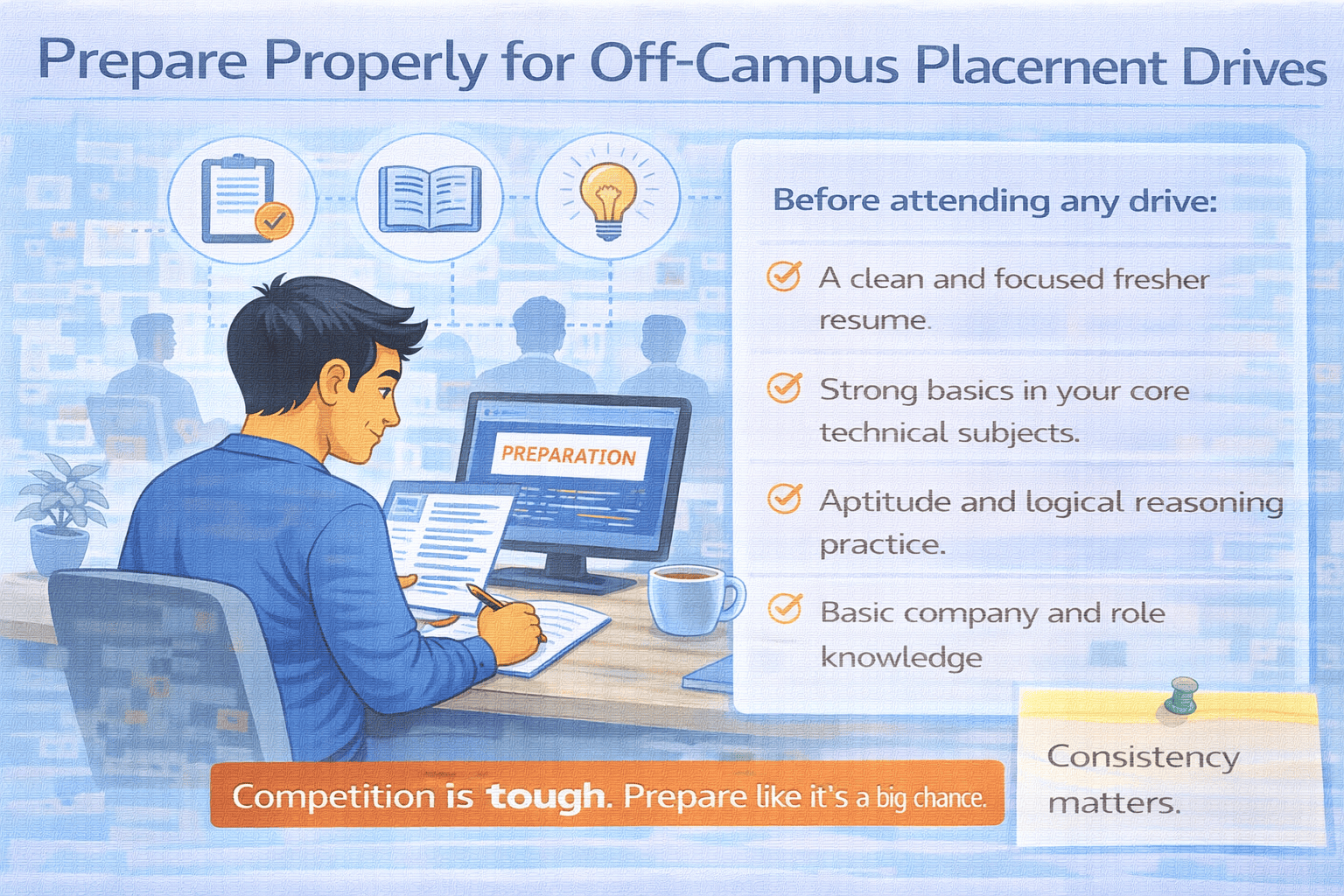
Many companies conduct off-campus drives by inviting students from multiple colleges to a single location or online platform.
Competition is high, so preparation matters.
Before attending any off-campus drive, ensure you are ready with:
Never attend a drive unprepared. Treat it like a serious opportunity.
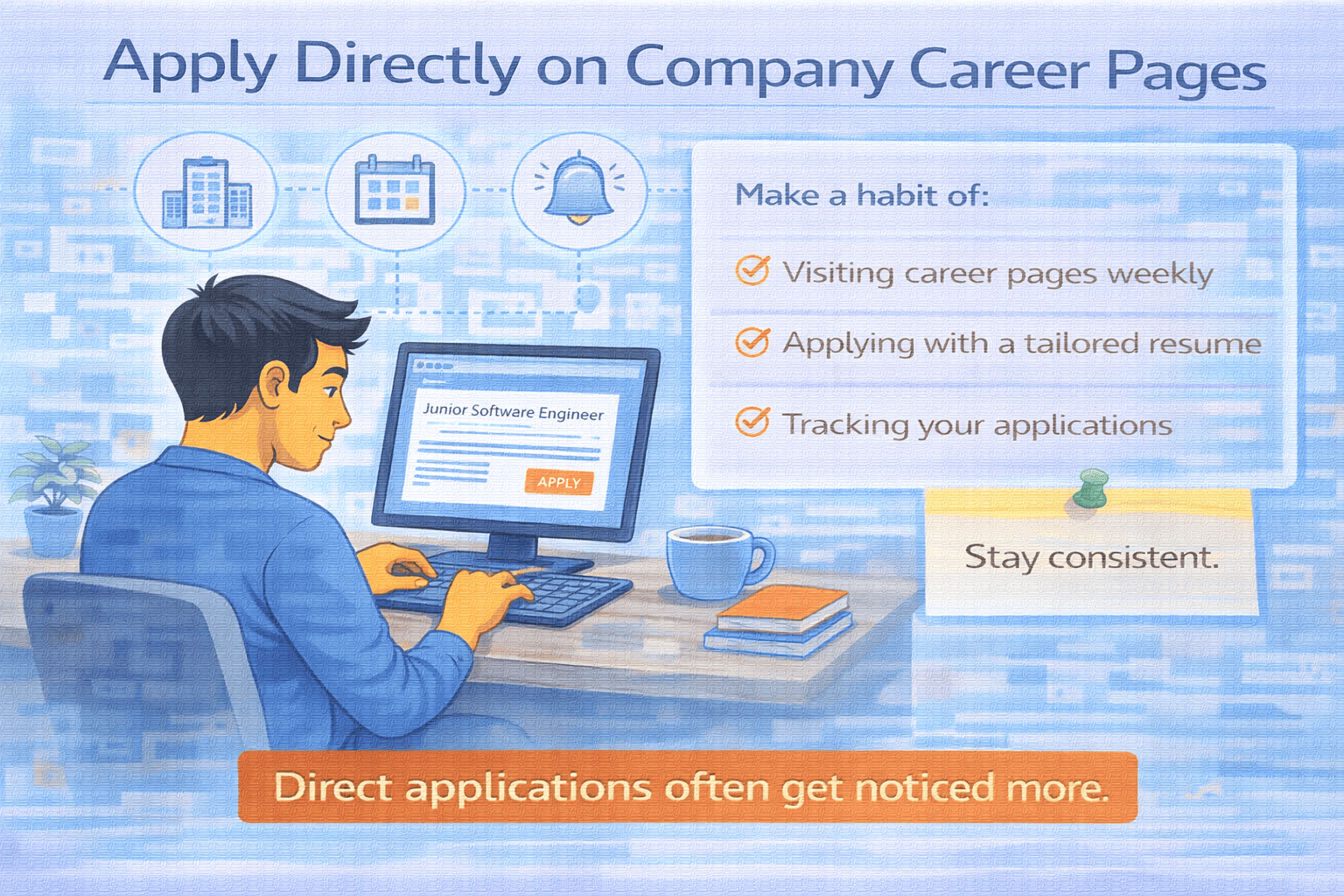
This is one of the most underrated strategies.
Many companies post fresher and junior openings directly on their websites.
Make a habit of:
Direct applications often receive better attention than mass portal submissions.
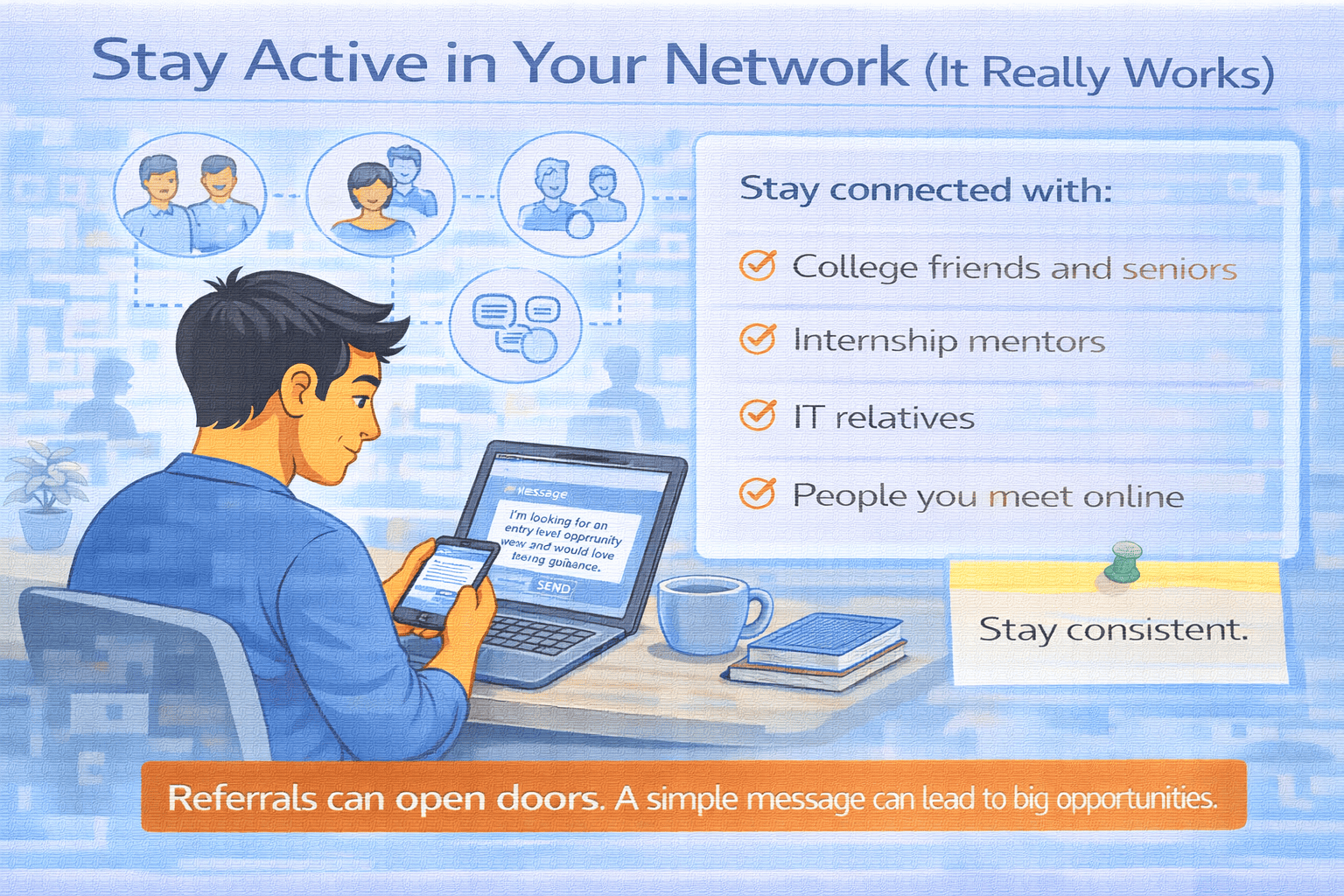
Your network is bigger than you think.
Stay connected with:
Many companies prefer referrals because they save hiring time.
A simple message like, “I’m looking for an entry-level opportunity and would love your guidance” can open unexpected doors.
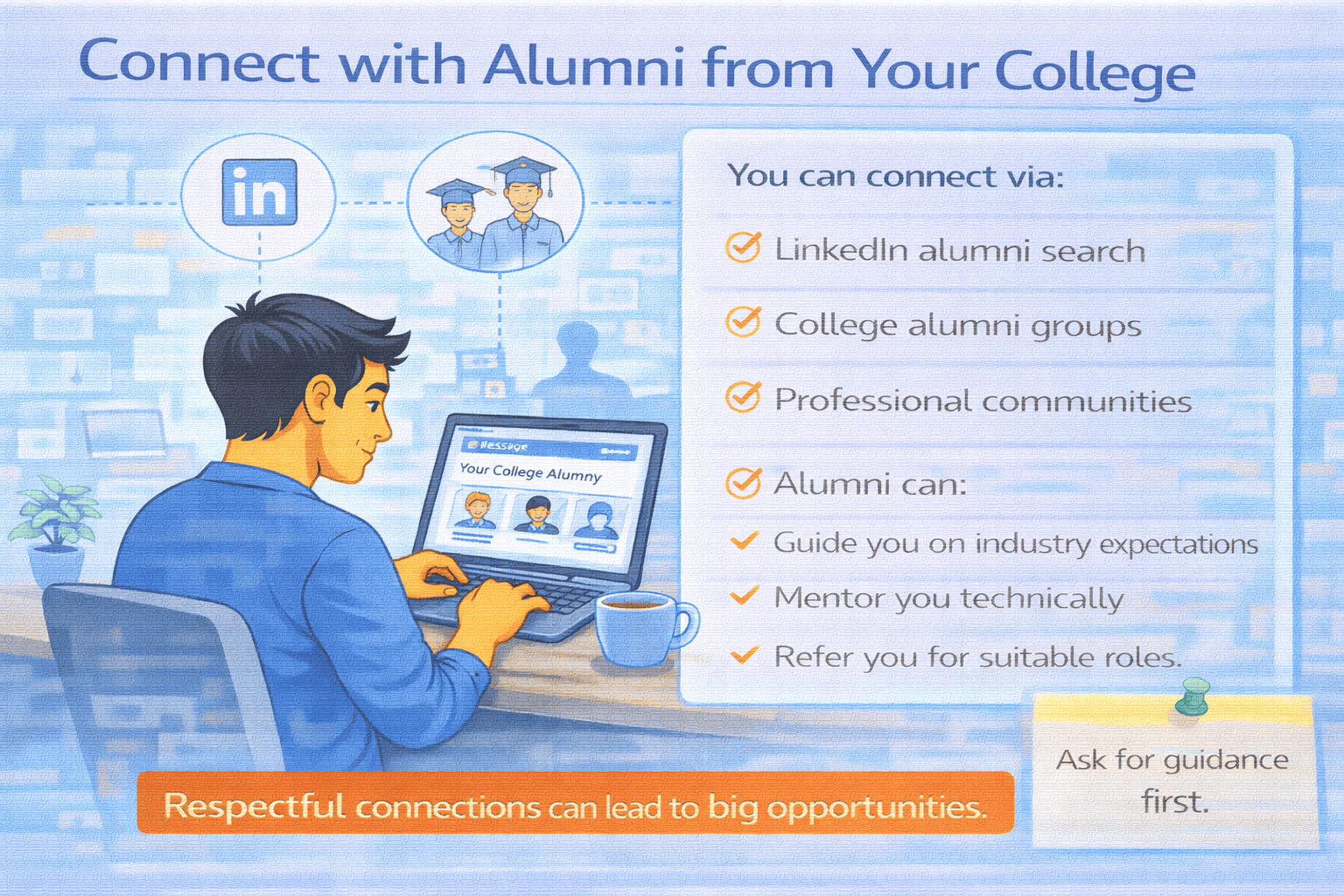
Alumni are one of the best resources for off-campus job seekers.
You can connect with alumni via:
Alumni can:
Be respectful and genuine. Do not ask directly for jobs—ask for guidance first.
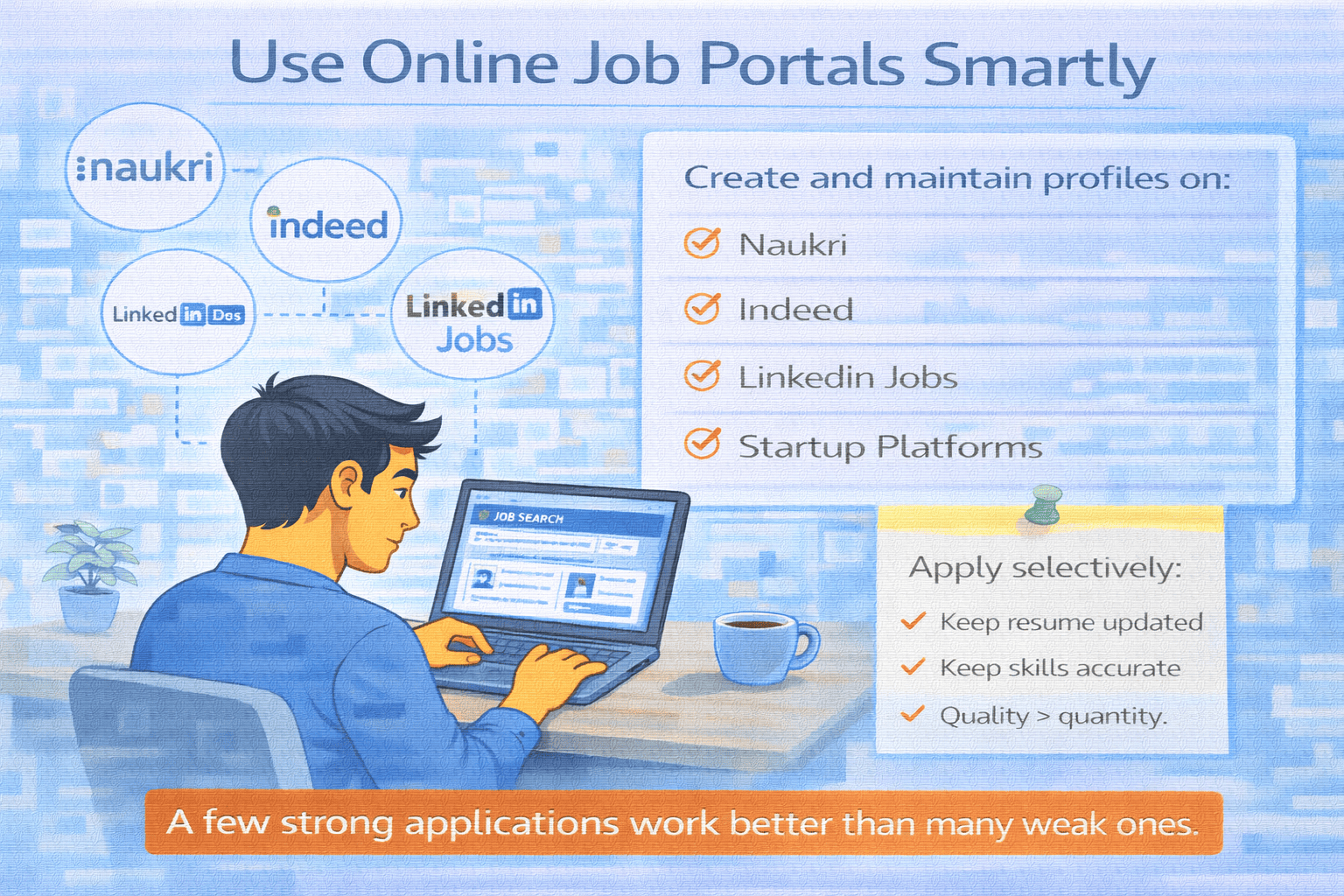
Job portals still work—if used correctly.
Create and maintain profiles on platforms like:
Update your resume regularly, keep skills accurate, and apply selectively.
Quality applications matter more than quantity.
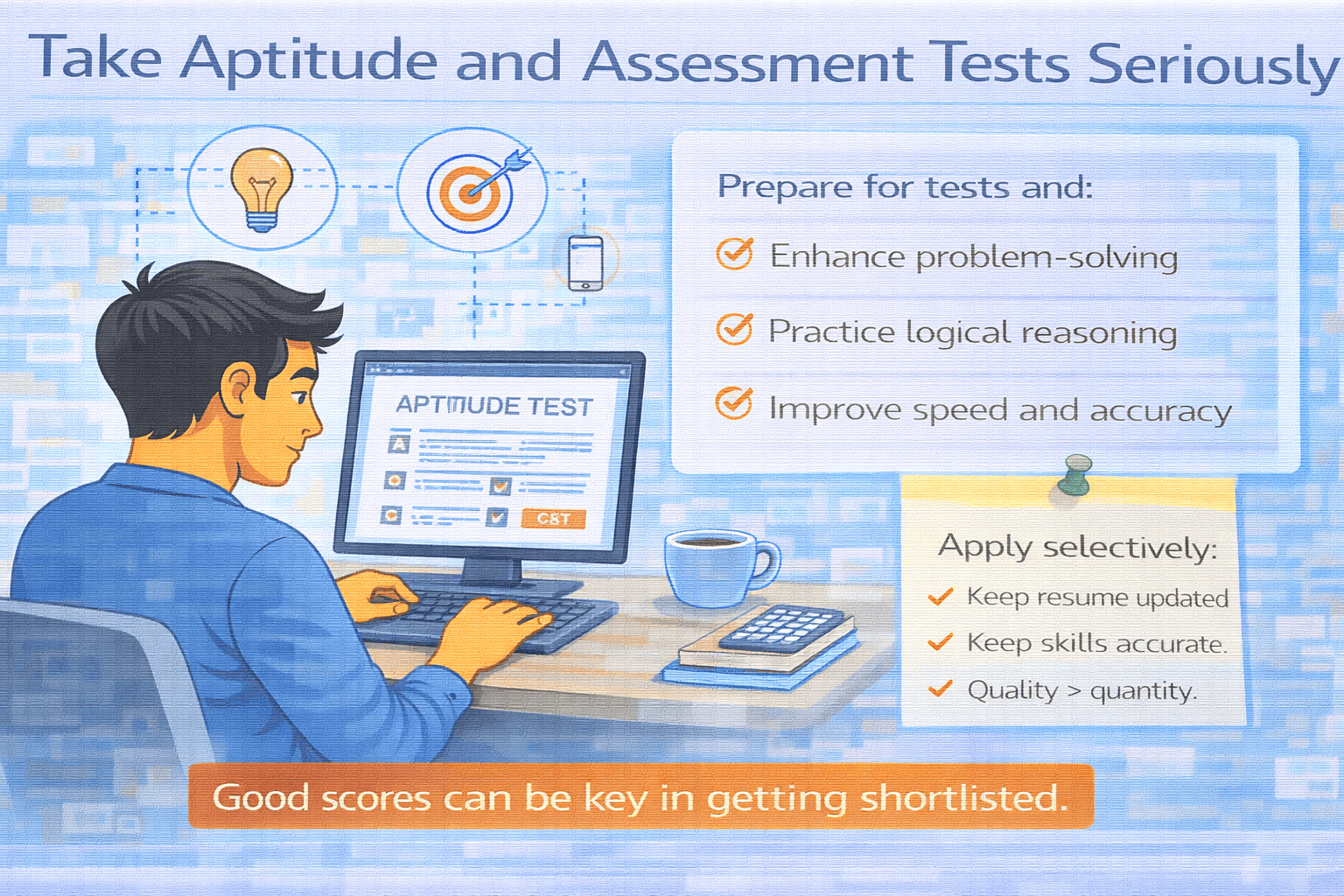
Many companies shortlist candidates using aptitude or assessment tests.
Practicing aptitude improves:
Even if you don’t get selected immediately, these tests prepare you for future opportunities.
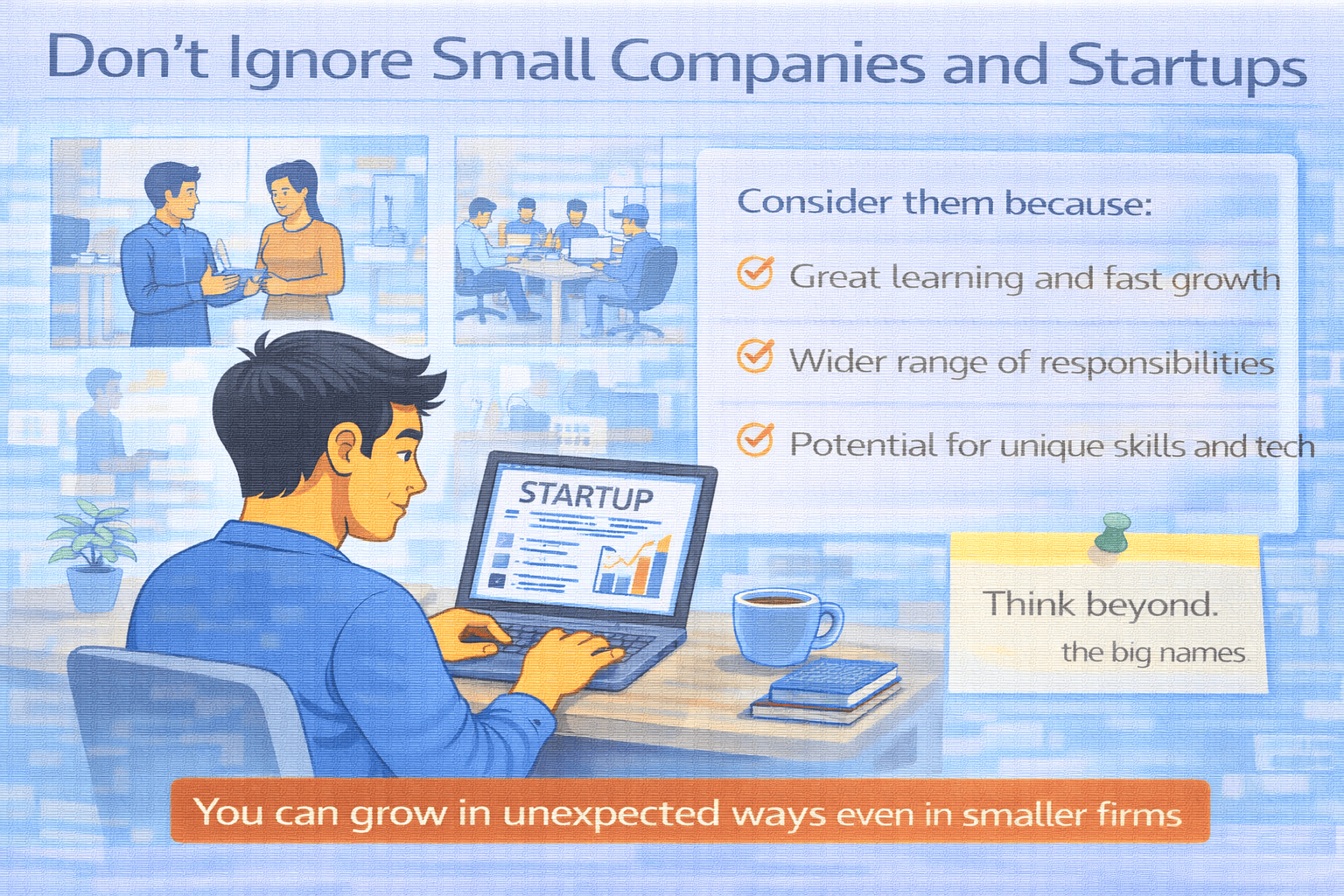
Big brand names are attractive, but small companies offer something equally valuable—experience.
Working in a smaller organization often gives you:
Many professionals move to top companies after gaining 1–2 years of strong experience.
Your first job is a stepping stone, not the final destination.
Missing campus placement does not mean missing success.
Off-campus hiring teaches you independence, persistence, and adaptability—skills that matter throughout your career.
Stay consistent. Keep learning. Apply smartly. Build real skills.
Your opportunity may not come through your college—but it will come if you don’t give up.
All the best for your off-campus job search. Your journey is just beginning.

One short email when we publish something new — interview questions, Salesforce guides and career tips. No spam, unsubscribe in one click.
The real reasons many graduates miss campus placements in the AI era — skills gaps, weak projects, poor interviews — and practical fixes you can start today.

Practical placement advice for students who face rejection: how to learn from each interview, keep improving and stay motivated until you land the right job.
Scenario-based Salesforce trigger questions with solutions — real business requirements turned into Apex triggers, with code and explanations.
Questions, corrections or your own experience — they all help the next reader.
Neha Gupta